The elements behind AI infrastructure.
Chips, power, cooling, grid capacity, and strategic materials.
AI infrastructure depends on high-performance chips, power systems, data centers, cooling, grid capacity, and strategic materials that are exposed to supply-chain concentration.
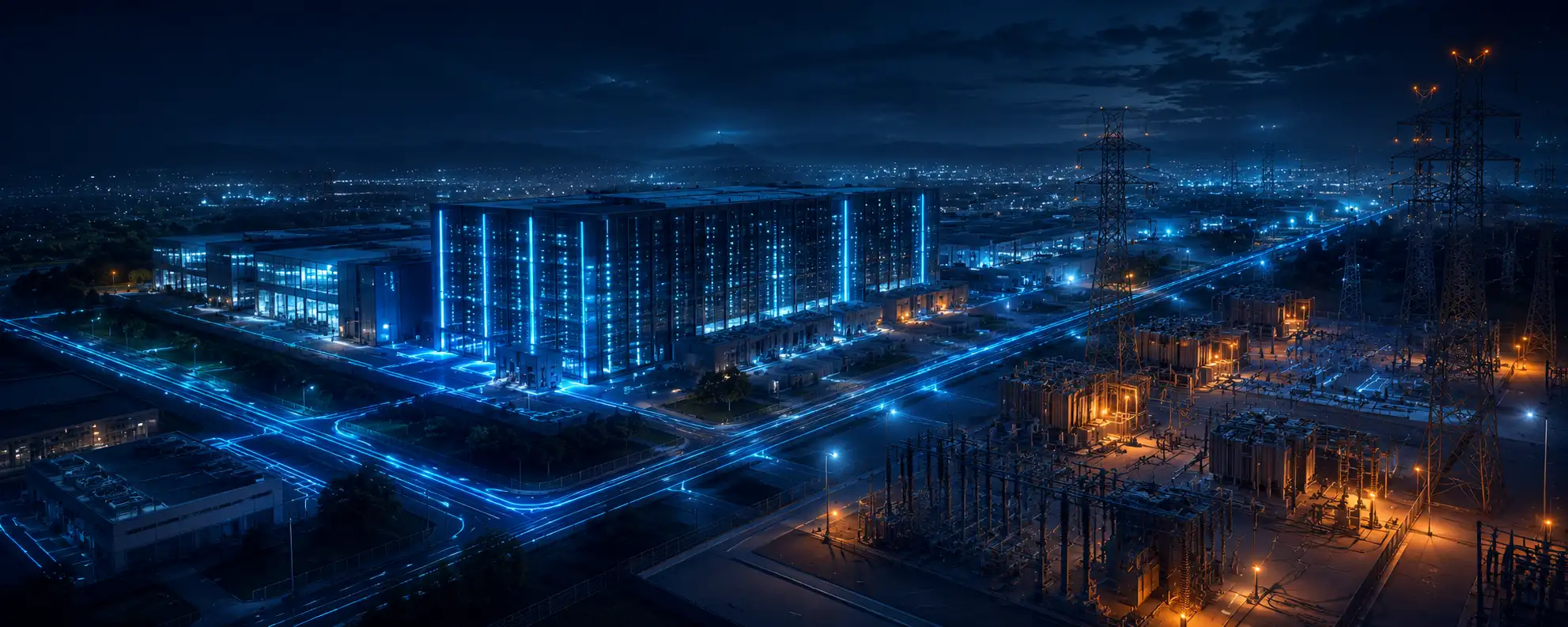
Critical Elements
12
Chips, power, grid
Power Exposure
High
Grid and cooling load
Chip Dependence
Very High
Advanced semiconductor stack
Demand Signal
Rising
AI infrastructure growth
Element exposure essential to AI infrastructure
Core AI infrastructure depends on elements used across chips, power delivery, cooling systems, data center hardware, grid connections, and backup energy systems.
Where these elements are used
AI infrastructure depends on specialized materials across compute, power, cooling, networking, storage, grid connection, and backup energy systems.
AI Accelerators
GPUs, accelerators, high-performance compute and packaging
Data Center Power
Power distribution, busbars, conversion, cabling
Cooling Systems
Thermal management, heat exchange, cryogenic cooling
Backup Power
Batteries, UPS systems, on-site energy storage
Networking Hardware
Switches, routers, optical interconnect, RF components
Grid Connection
Transmission, transformers, substation and grid hardware
Memory & Storage
DRAM, flash, controllers, high-density storage hardware
Sensors & Controls
Telemetry, power management, automation and control systems
Supply chain risk at a glance
AI infrastructure relies on materials with concentrated mining, refining, processing, or high-performance component supply chains.
Risk concentration
Concentration of mining and processing for key AI infrastructure materials.
Top supply concentration by element
Key dependencies summary
AI infrastructure depends on materials where compute performance, power, thermal load, storage, and supply access matter at the same time.
Advanced Chips
High-performance compute depends on semiconductor material stacks across silicon, gallium, germanium, and tantalum.
Power Delivery
Data centers require copper, aluminum, transformers, and grid hardware to move power at scale.
Cooling & Thermal Systems
High-density compute depends on heat-transfer and cooling materials including copper, aluminum, and helium.
Backup Energy
Battery and storage systems depend on lithium, nickel, cobalt, and manganese for resilient backup power.
Network Infrastructure
AI clusters rely on fiber, RF, switching, and connectivity materials to link compute at high bandwidth.
Material Dependency Evidence
AI / Data Centers
Reviewed Pro evidence summaries behind this industry’s material exposure, supply-chain risk, and substitution difficulty.
Pro evidence summaries help explain how reviewed public-safe context supports industry dependency intelligence.
Dependency evidence
See how reviewed context supports material dependency signals.
Supply exposure context
Understand concentration, processing, and policy exposure behind industry risk.
Substitution and resilience
Review where replacement options are limited, costly, or operationally constrained.
This view does not expose scoring formulas, source-to-score mapping, reviewer notes, or internal source architecture.
Evidence summaries support interpretation, not official ratings.
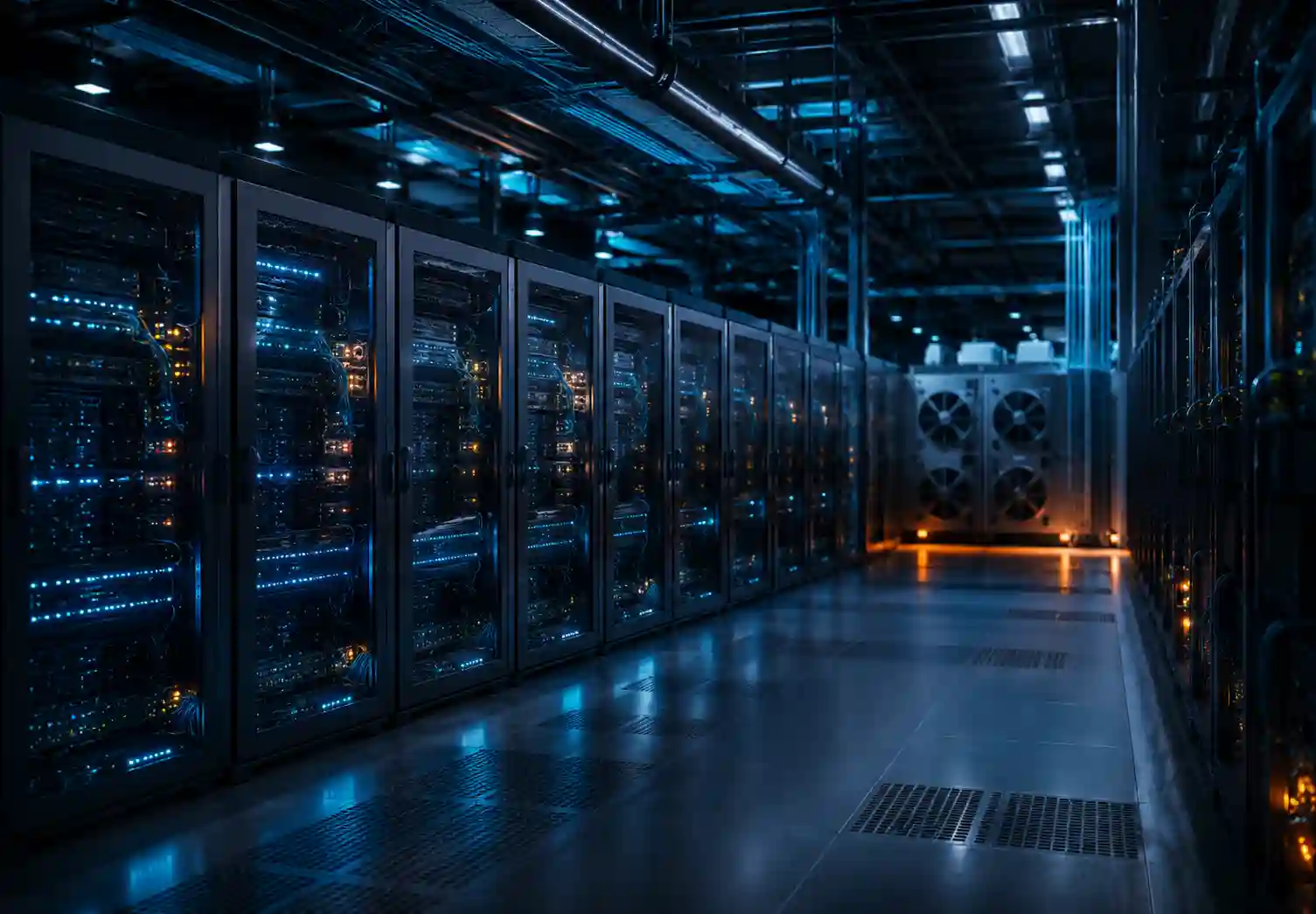
AI / Data Centers intelligence brief
AI infrastructure ties together semiconductor materials, power delivery, cooling, grid systems, backup energy, and networking hardware. Periodic Engine organizes these dependencies into a structured view of material exposure and strategic supply risk.
Modeled intelligence scores. Not financial advice. Not procurement guidance. Not investment recommendations.