South Korea
Country ProfileSouth Korea is modeled as a battery-semiconductor manufacturing and industrial resilience node across EV batteries, cathode materials, semiconductors, memory chips, displays, electronics, shipbuilding, automotive systems, and defense-adjacent technologies. Its strength is high-value manufacturing scale, battery and chip leadership, global industrial networks, recycling capability, and allied coordination. Its exposure comes from limited domestic resource depth, dependence on imported lithium, nickel, cobalt, graphite, rare earths, and specialty materials, and supply chains that remain partly tied to China-linked processing.
Supply & Production
South Korea’s modeled resource-security role, where a resource-poor manufacturing power secures lithium, nickel, cobalt, graphite, rare earths, and silicon inputs through overseas sourcing, battery-material production, recycling, and allied coordination rather than domestic mining.
Modeled public-preview assessment. Not official production shares or government ratings.
Strongest modeled role
Manufacturing leverage
South Korea’s most important modeled role is downstream — world-scale battery and semiconductor manufacturing.
Most relevant materials
Lithium, Nickel, Graphite, Silicon
Battery and semiconductor materials carry high relevance where Korea depends on imported and processed inputs.
Key supply-chain concern
Import & China exposure
Resource depth is not the strength; the challenge is securing imported and China-linked processed materials.
Public preview boundary
High-level context only
Detailed project-level, company-level, and trade-flow evidence remains reserved for briefing and Pro workflows.
Supply-chain stage map
A country’s role can change by stage. This view separates upstream production from processing, refining, manufacturing, logistics, and policy exposure.
Domestic mining
Limited
Domestic resource depth is limited relative to battery, semiconductor, automotive, and electronics demand.
Battery materials
Very High
Strong midstream and downstream activity across cathodes, precursors, anodes, cells, ESS, and EV batteries.
Semiconductors
Very High
Deep manufacturing strength in memory, HBM, DRAM, NAND, foundry, packaging, and AI chip demand.
Overseas sourcing
High
Critical for lithium, nickel, cobalt, graphite, rare earths, copper, and specialty chemicals.
China-linked imports
High
Still important for rare earths, graphite, magnets, battery inputs, and some processed materials.
Recycling
Medium High
Important for battery materials, industrial metals, and circularity, though scale and economics matter.
Allied coordination
High
The U.S., Japan, Australia, Canada, Indonesia, DRC, Chile, and Europe matter for sourcing resilience.
Material-by-stage exposure matrix
Selected strategic materials mapped against the stages where South Korea’s modeled influence is strongest.
| Material | Mining | Battery materials | Overseas sourcing | China-linked | Recycling | Allied sourcing |
|---|---|---|---|---|---|---|
| Lithium | Limited | Very High | High | Medium High | Medium High | High |
| Nickel | Limited | Very High | High | Medium High | Medium High | High |
| Cobalt | Limited | High | High | Medium High | Medium High | Medium High |
| Graphite | Limited | High | Medium High | Very High | Medium High | Medium High |
| Rare Earths | Limited | Selective | Medium High | Very High | Medium | Medium High |
| Silicon | Limited | Selective | Medium High | Medium | Selective | Medium High |
These are modeled public-preview exposure labels, not official production shares. Detailed source-linked evidence remains part of Pro and briefing workflows.
Processing and refining concentration
The most important country exposure often appears after mining, where materials are processed, refined, separated, or upgraded for industrial use.
Why this matters
Mining tells only part of the story. A material can be extracted in one country, processed in another, refined somewhere else, and then embedded into a component or industrial system.
For selected strategic materials, the most strategically important stage is often not extraction itself but where material availability becomes industrial capability.
Concentration signals
- Downstream depth — Strategic value is concentrated at the manufacturing stage, where Korea leads in batteries and memory chips.
- Import dependence — Limited domestic resource control means materials risk comes from imported and processed inputs.
- China concentration — Rare earths, graphite, magnets, and processed battery materials remain China-linked.
- Security pathway — Overseas sourcing, recycling, allied coordination, and monitoring are central to managing exposure.
Strategic materials by strongest stage
Each material’s exposure profile depends on where the country’s role is strongest.
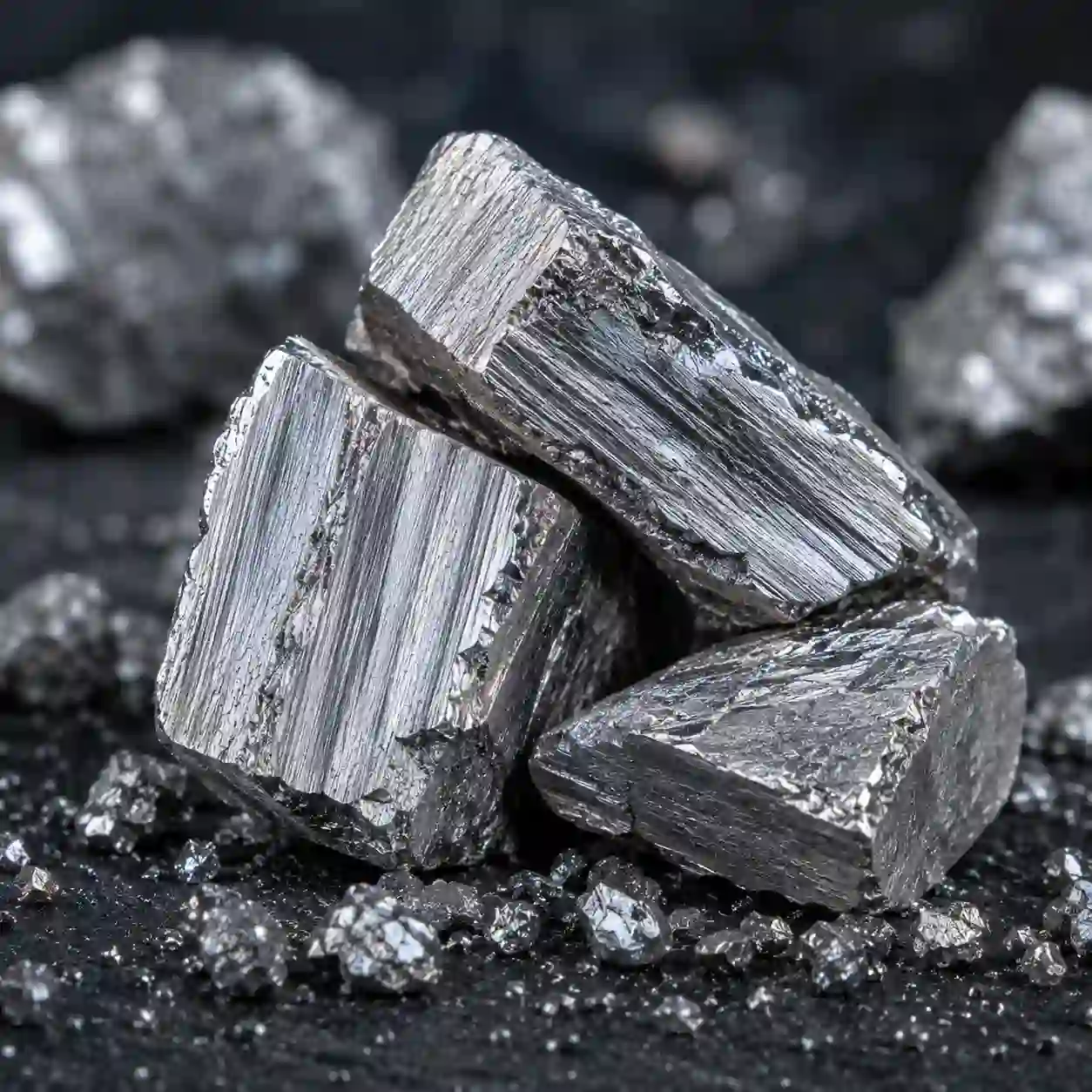 3Li
3LiLithium
Strongest stage: Battery materials
Very High
Core battery material for EV and ESS chains, tied to LFP, NCM, battery salts, and overseas sourcing.
Confidence: High · Last reviewed: June 2026
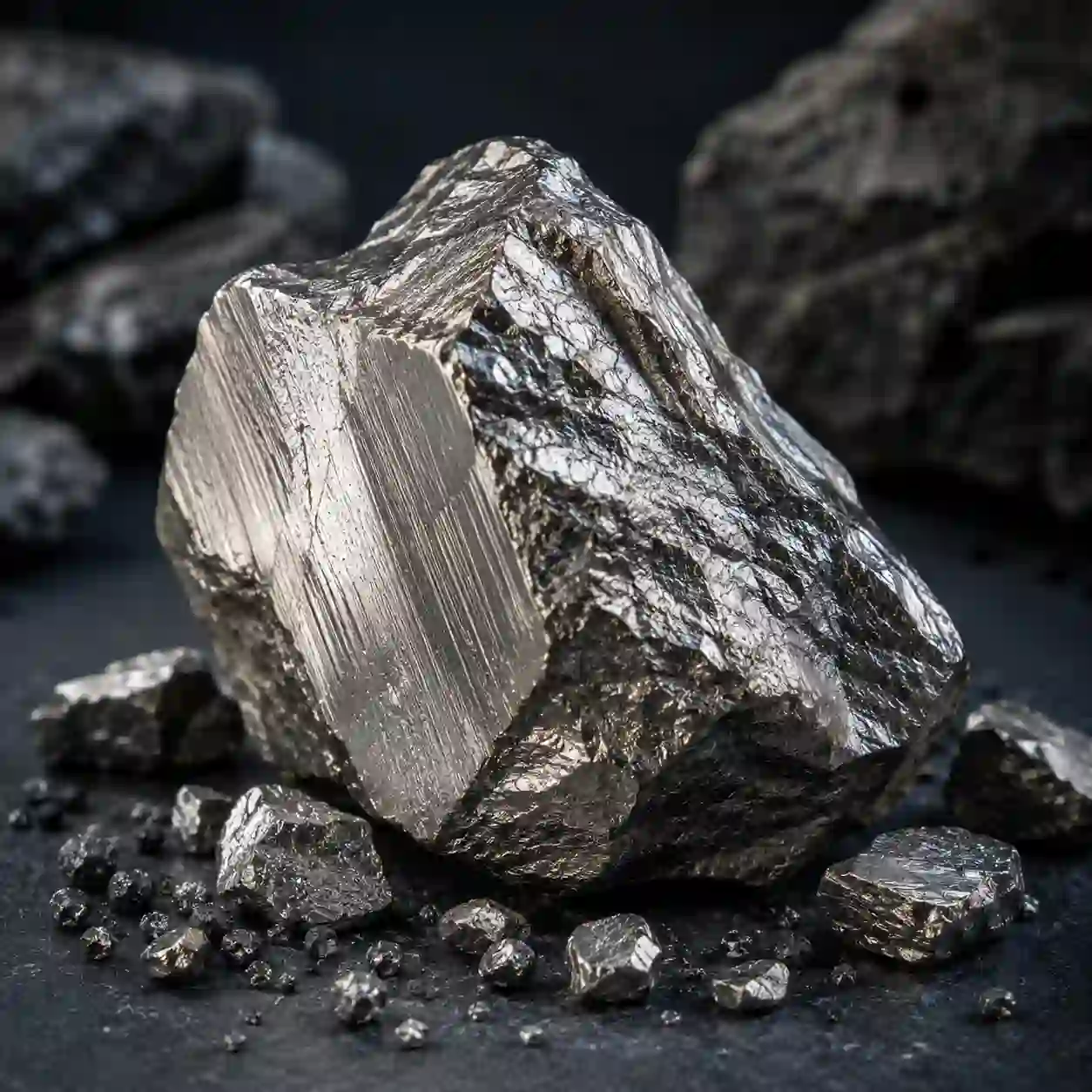 28Ni
28NiNickel
Strongest stage: Cathode materials
Very High
High-performance cathode material for high-nickel NCM and NCA, tied to Indonesia, Australia, and Canada exposure.
Confidence: High · Last reviewed: June 2026
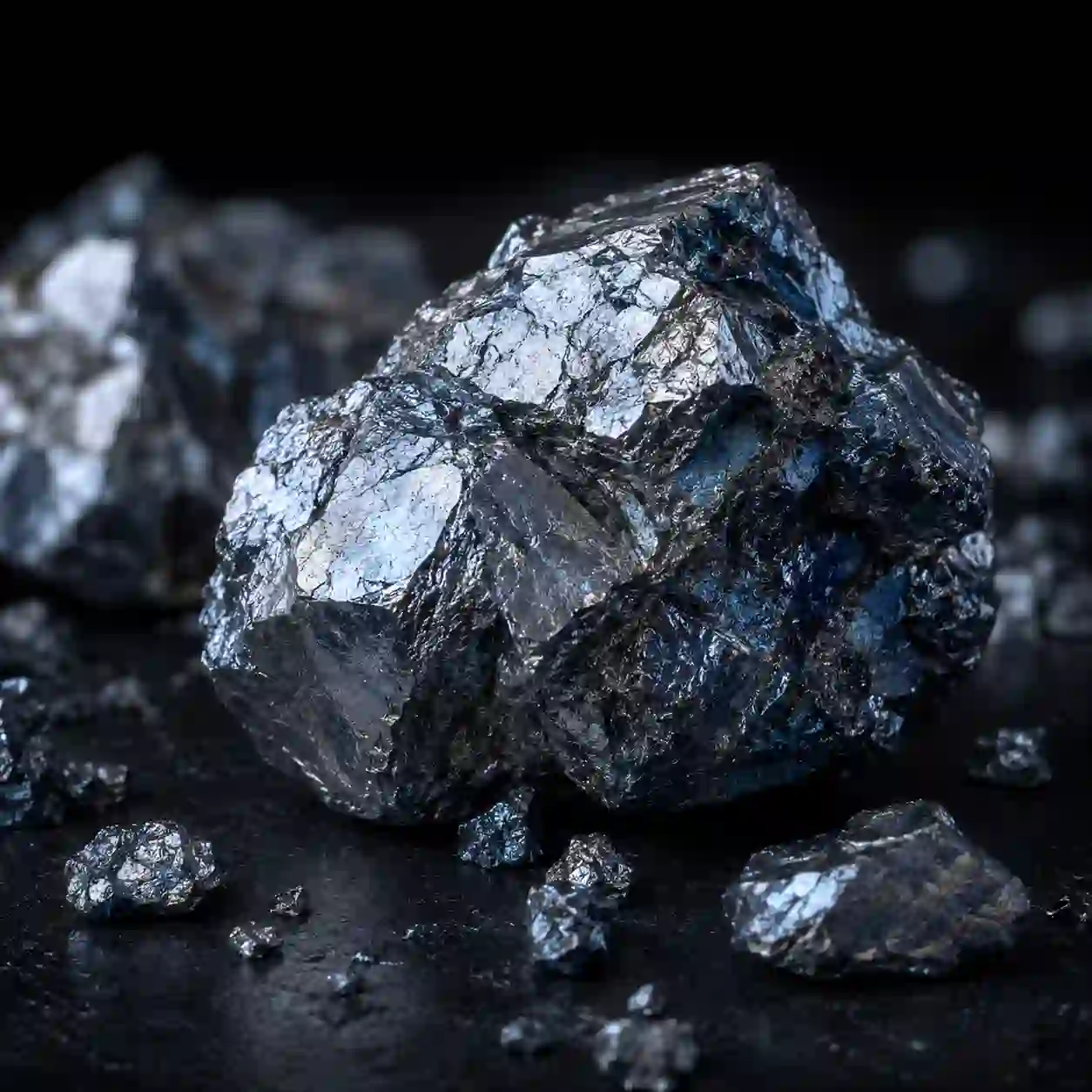 27Co
27CoCobalt
Strongest stage: Cathode materials
High
A battery stability and performance material tied to NCM cathodes, DRC and Indonesia exposure, and responsible sourcing.
Confidence: Medium · Last reviewed: June 2026
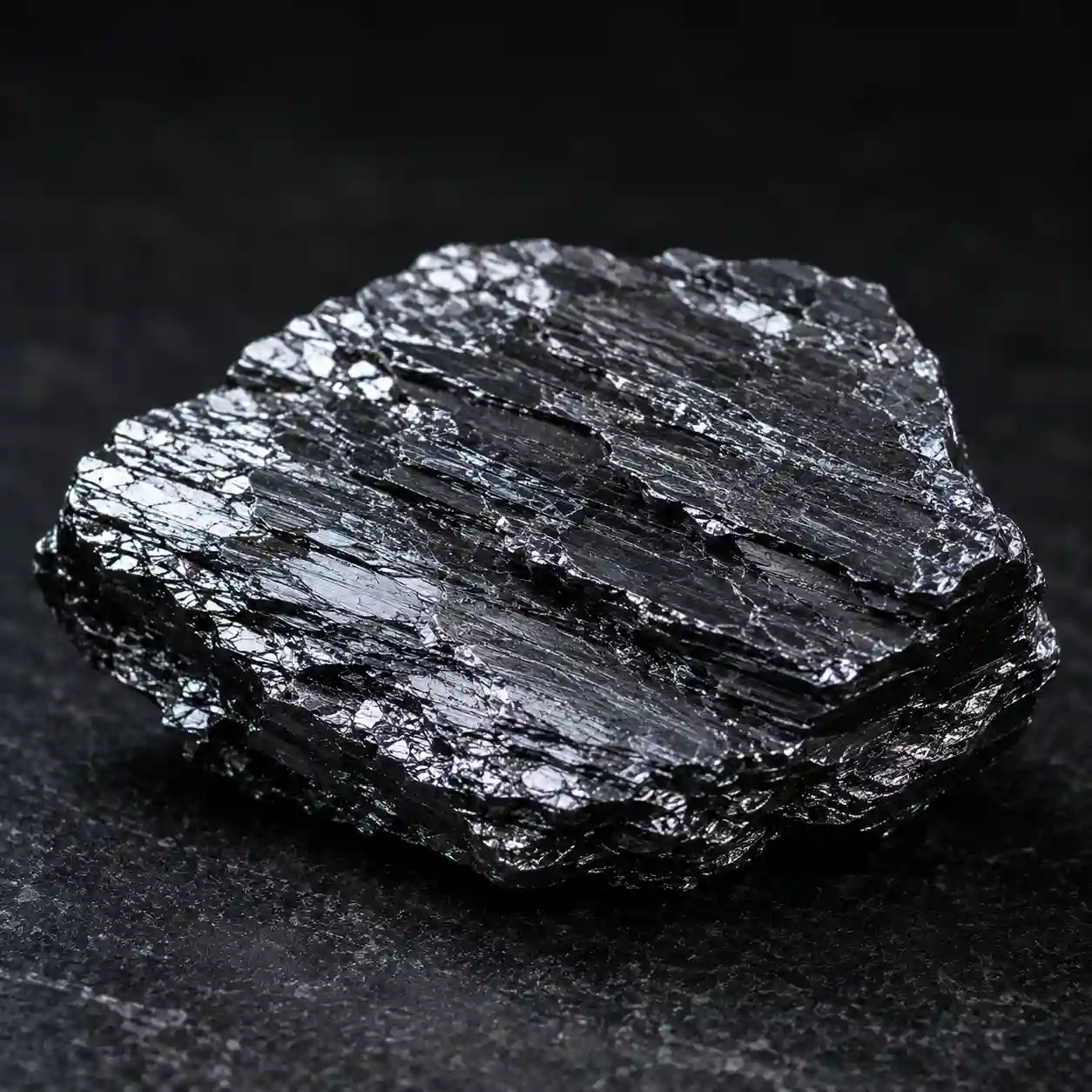 6C
6CGraphite
Strongest stage: Anode materials
High
A battery-anode material with high China processing exposure, tied to EVs, ESS, and recycling.
Confidence: Medium · Last reviewed: June 2026
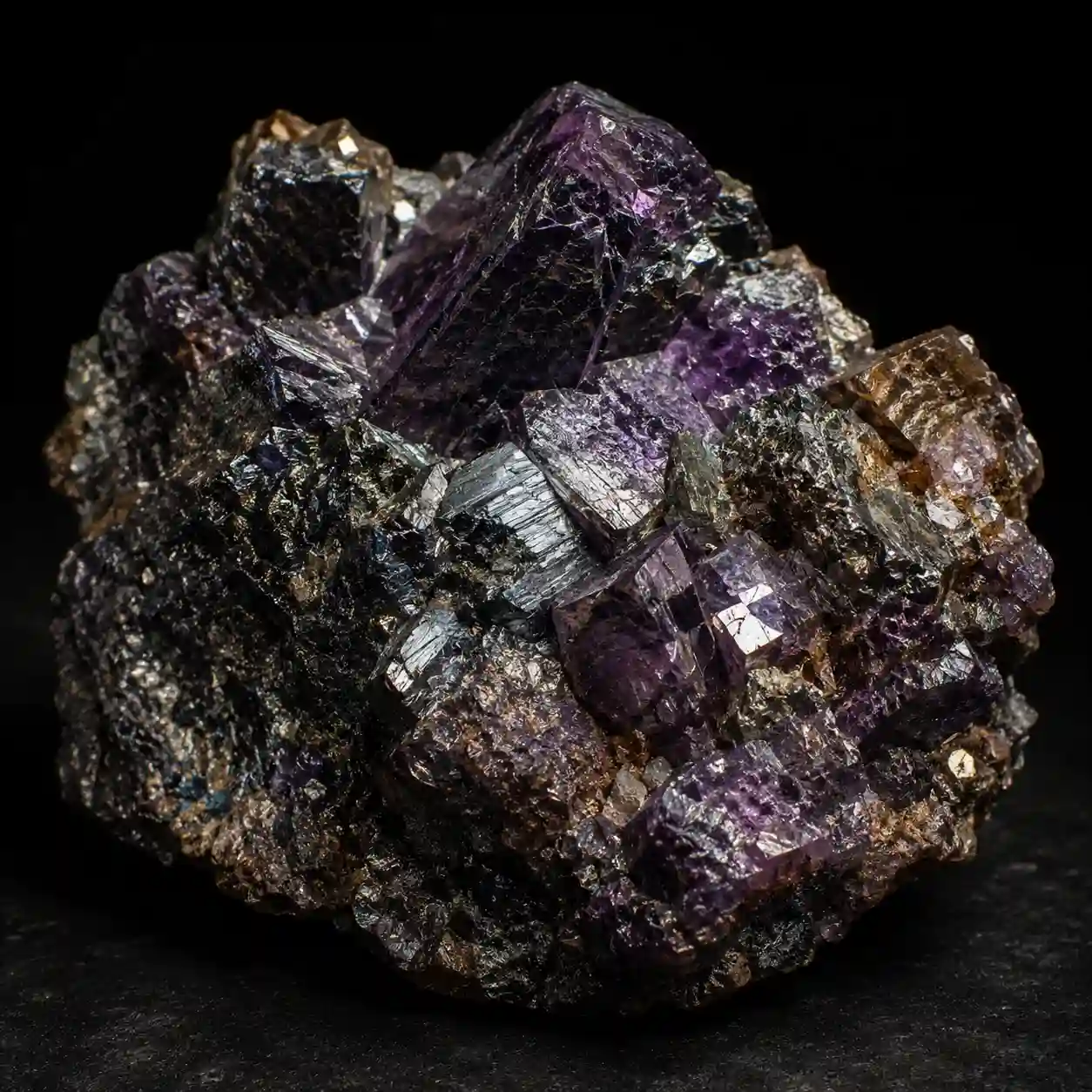 RE
RERare Earths
Strongest stage: Magnets / motors
High
A magnet and industrial-system material for EV motors, electronics, and defense, with China supply exposure.
Confidence: Medium · Last reviewed: June 2026
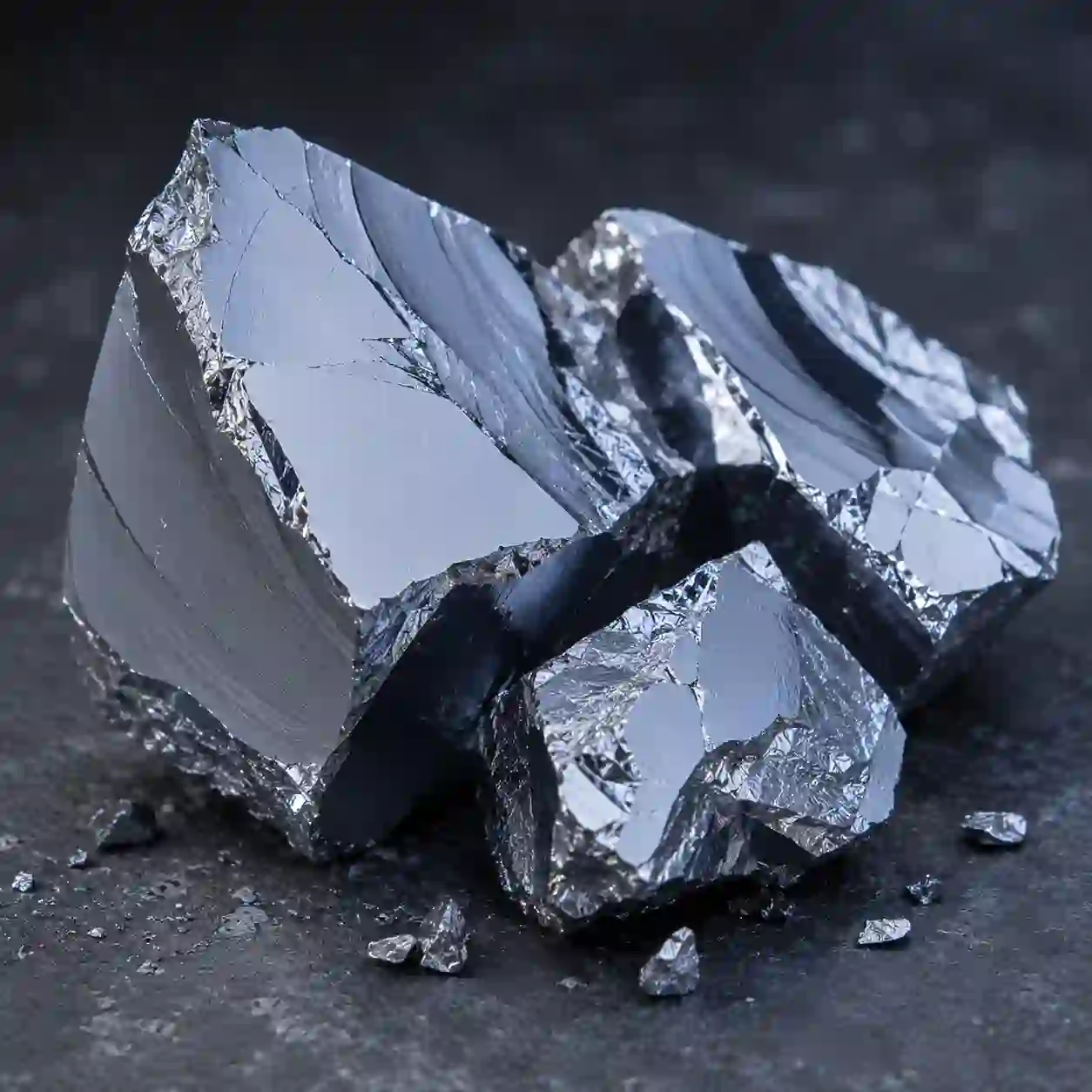 14Si
14SiSilicon
Strongest stage: Semiconductors
Very High
A semiconductor material for memory, HBM, DRAM, NAND, wafers, and AI infrastructure.
Confidence: High · Last reviewed: June 2026
Where dependency forms
Country exposure becomes more important when multiple supply-chain stages concentrate in the same geography.
Battery-material production
Cathodes, precursors, anodes, cells, ESS, and EV batteries anchor midstream and downstream strength.
Semiconductor manufacturing
Memory, HBM, DRAM, NAND, foundry, and packaging anchor high-value chip output.
Overseas sourcing
Long-term offtake and overseas projects secure lithium, nickel, cobalt, graphite, and rare earths.
China-linked imports
Rare earths, graphite, magnets, and battery intermediates remain partly China-dependent.
Recycling and circularity
Battery and metals recycling reduces import exposure but cannot fully replace secure upstream supply.
Allied coordination
U.S., Japan, Australian, Canadian, and other partnerships shape sourcing diversification.
Source context
Supply and production context should be grounded in public source categories, reviewed assumptions, and documented confidence labels.

MOTIE
Critical minerals monitoring, industrial policy, and supply-chain security.
KIGAM / KOMIR
Resource strategy, overseas sourcing, and supply-chain resilience.

USGS
Global production, reserves, and mineral commodity summaries.
Academic / technical studies
Graphite, battery materials, recycling, and semiconductor-material context.
Source categories are shown for transparency. Raw evidence, reviewer notes, and source-to-score reasoning are not exposed in the public preview.
Public preview boundary
This tab shows a public-safe modeled view. It does not expose private evidence, raw source notes, or source-to-score reasoning.
Public preview includes
- Stage-level exposure labels
- Material-by-stage matrix
- High-level dependency interpretation
- Confidence labels
- Last-reviewed dates
- Source category context
- Modeled intelligence disclaimers
- Selected strategic material notes
Briefing / Pro includes
- Full evidence context
- Source-linked claims
- Trade-flow detail
- Company-level exposure
- Asset and facility exposure
- Customer-specific supplier notes
- Scenario analysis
- Exportable country brief
Modeled intelligence scores. Not official government ratings. Public-safe intelligence only.