Japan
Country ProfileJapan is modeled as an advanced manufacturing and materials security node across semiconductors, magnets, batteries, robotics, automotive systems, electronics, and defense technologies. Its strength is high-value manufacturing, trading-house reach, recycling capability, stockpiling policy, and allied coordination. Its exposure comes from limited domestic resource depth, external refining dependence, and concentrated supply chains for rare earths, battery materials, and specialty semiconductor inputs.
Supply & Production
Japan’s modeled resource-security role, where a resource-poor advanced manufacturing power secures critical materials through overseas project participation, trading-house reach, JOGMEC support, stockpiling, recycling, and allied sourcing rather than domestic mining.
Modeled public-preview assessment. Not official production shares or government ratings.
Strongest modeled role
Materials security
Japan’s most important modeled role is not domestic mining but securing external supply of rare earths, battery materials, and specialty semiconductor inputs.
Most relevant materials
Rare Earths, Gallium, Lithium, Graphite
Small-volume, high-value materials carry high criticality where Japan depends on external mining and refining for advanced manufacturing.
Key supply-chain concern
External processing dependence
Even when Japan secures upstream supply, separation, refining, and specialty processing may remain concentrated elsewhere, especially in China.
Public preview boundary
High-level context only
Detailed project-level, company-level, and trade-flow evidence remains reserved for briefing and Pro workflows.
Supply-chain stage map
A country’s role can change by stage. This view separates upstream production from processing, refining, manufacturing, logistics, and policy exposure.
Domestic mining
Limited
Japan’s domestic mine base is limited and is not the center of the profile relative to its downstream industrial demand.
Processing & smelting
Selective / strategic
Processing and smelting are a strategic focus, especially where Japan can protect high-value industrial inputs; JOGMEC has supported domestic ore processing since 2022.
Refining
External dependence
Refining and separation for several materials remain externally concentrated, leaving value and security dependent on overseas midstream.
Stockpiling
High
A national rare metal stockpiling system safeguards against short-term supply interruptions from overseas or domestic shortages.
Manufacturing
Very High
Precision advanced manufacturing across semiconductors, magnets, batteries, robotics, and automotive systems pulls strongly on critical materials.
Recycling & circularity
High
Recycling of electronics, rare metals, magnets, and batteries supports materials security and reduces import exposure.
Policy & Partnership
High
JOGMEC support, METI strategy, overseas project participation, and allied coordination shape how Japan secures supply.
Material-by-stage exposure matrix
Selected strategic materials mapped against the stages where Japan’s modeled influence is strongest.
| Material | Mining | Processing | Stockpiling | Recycling | Manufacturing | Allied sourcing |
|---|---|---|---|---|---|---|
| Rare Earths | Limited | Emerging | High | Medium High | Very High | High |
| Gallium | Limited | Selective | Medium High | Medium | Very High | Medium High |
| Germanium | Limited | Selective | Medium High | Medium | High | Medium High |
| Silicon | Limited | Medium High | Medium | Medium | Very High | Medium High |
| Lithium | Limited | Selective | Medium High | Medium High | Very High | High |
| Graphite | Limited | Selective | Medium High | Medium High | Very High | High |
These are modeled public-preview exposure labels, not official production shares. Detailed source-linked evidence remains part of Pro and briefing workflows.
Processing and refining concentration
The most important country exposure often appears after mining, where materials are processed, refined, separated, or upgraded for industrial use.
Why this matters
Mining tells only part of the story. A material can be extracted in one country, processed in another, refined somewhere else, and then embedded into a component or industrial system.
For selected strategic materials, the most strategically important stage is often not extraction itself but where material availability becomes industrial capability.
Concentration signals
- Downstream depth — Strategic value is concentrated at the manufacturing stage, where Japan is a global leader across high-value industrial systems.
- Upstream dependence — Limited domestic resource control means materials risk comes from external mining, refining, and specialty supply chains.
- China concentration — Rare earths, magnets, graphite, gallium, and germanium processing remain sensitive to China-linked concentration.
- Security pathway — Stockpiling, recycling, JOGMEC support, and allied sourcing are central to how Japan manages exposure.
Strategic materials by strongest stage
Each material’s exposure profile depends on where the country’s role is strongest.
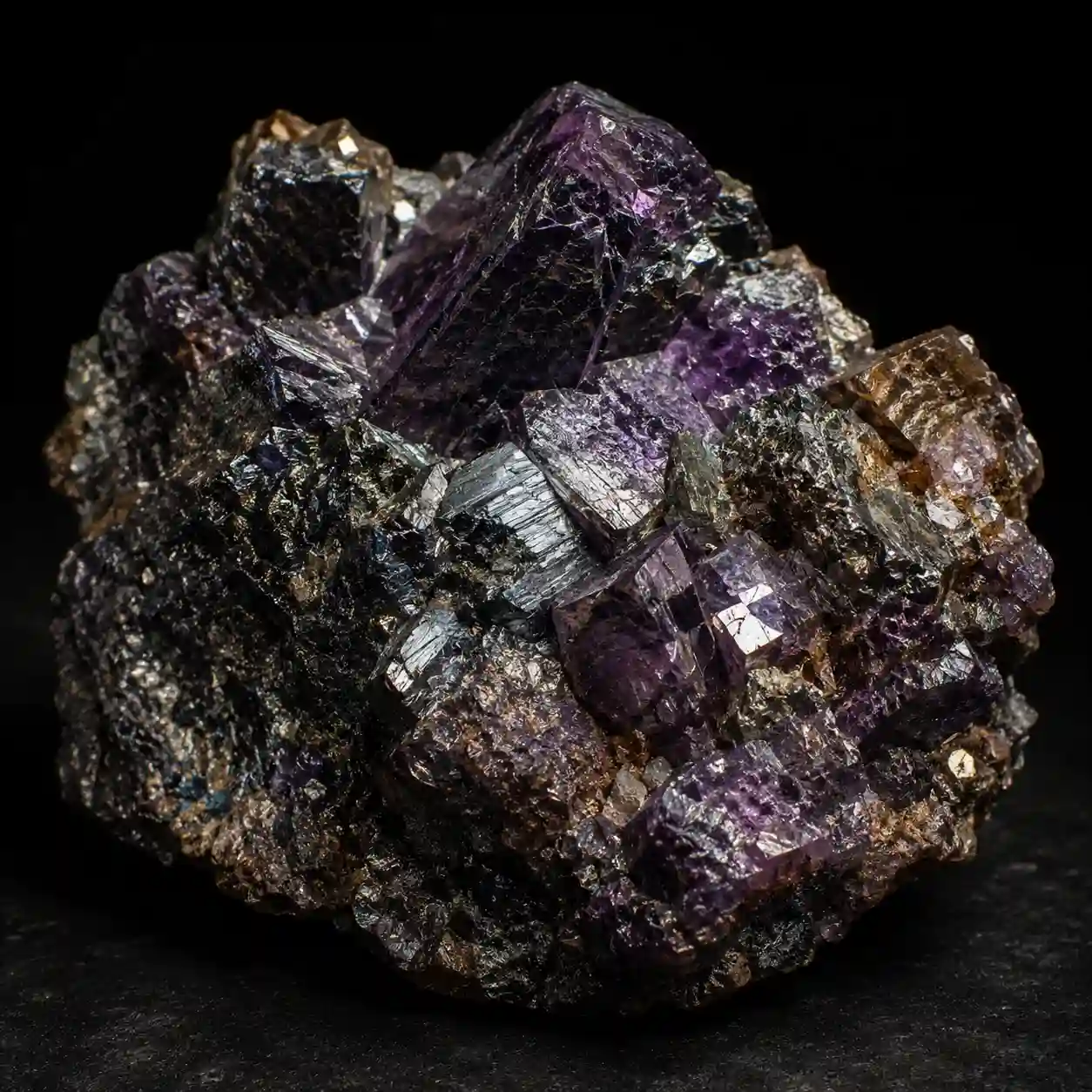 RE
RERare Earths
Strongest stage: Manufacturing / magnets
Very High
Japan’s clearest strategic dependency, tied to permanent magnets, EV motors, robotics, factory automation, and China-linked supply exposure.
Confidence: High · Last reviewed: June 2026
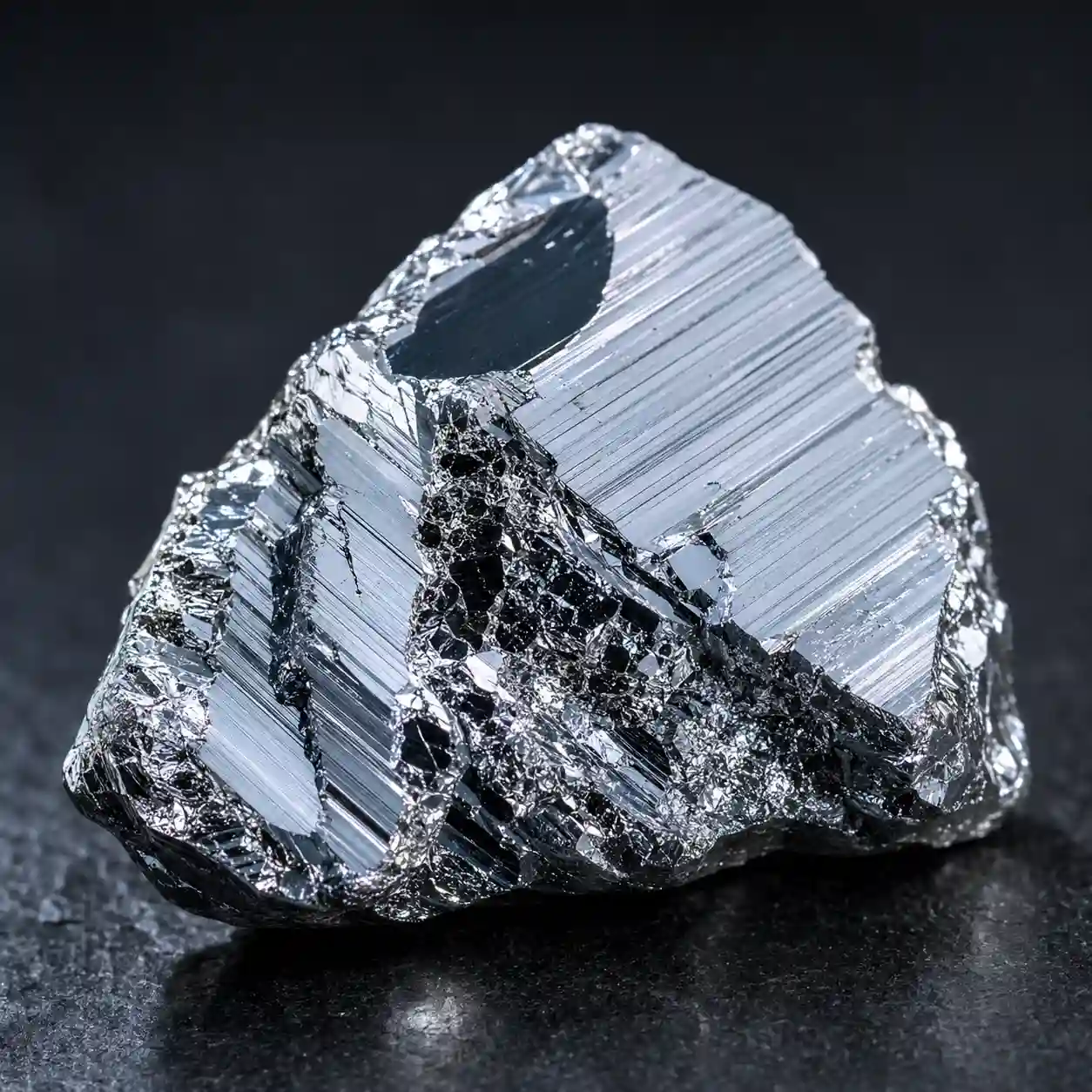 31Ga
31GaGallium
Strongest stage: Specialty semiconductor
High
Small-volume, high-leverage material for compound semiconductors, GaN power electronics, RF systems, LEDs, and defense electronics.
Confidence: Medium · Last reviewed: June 2026
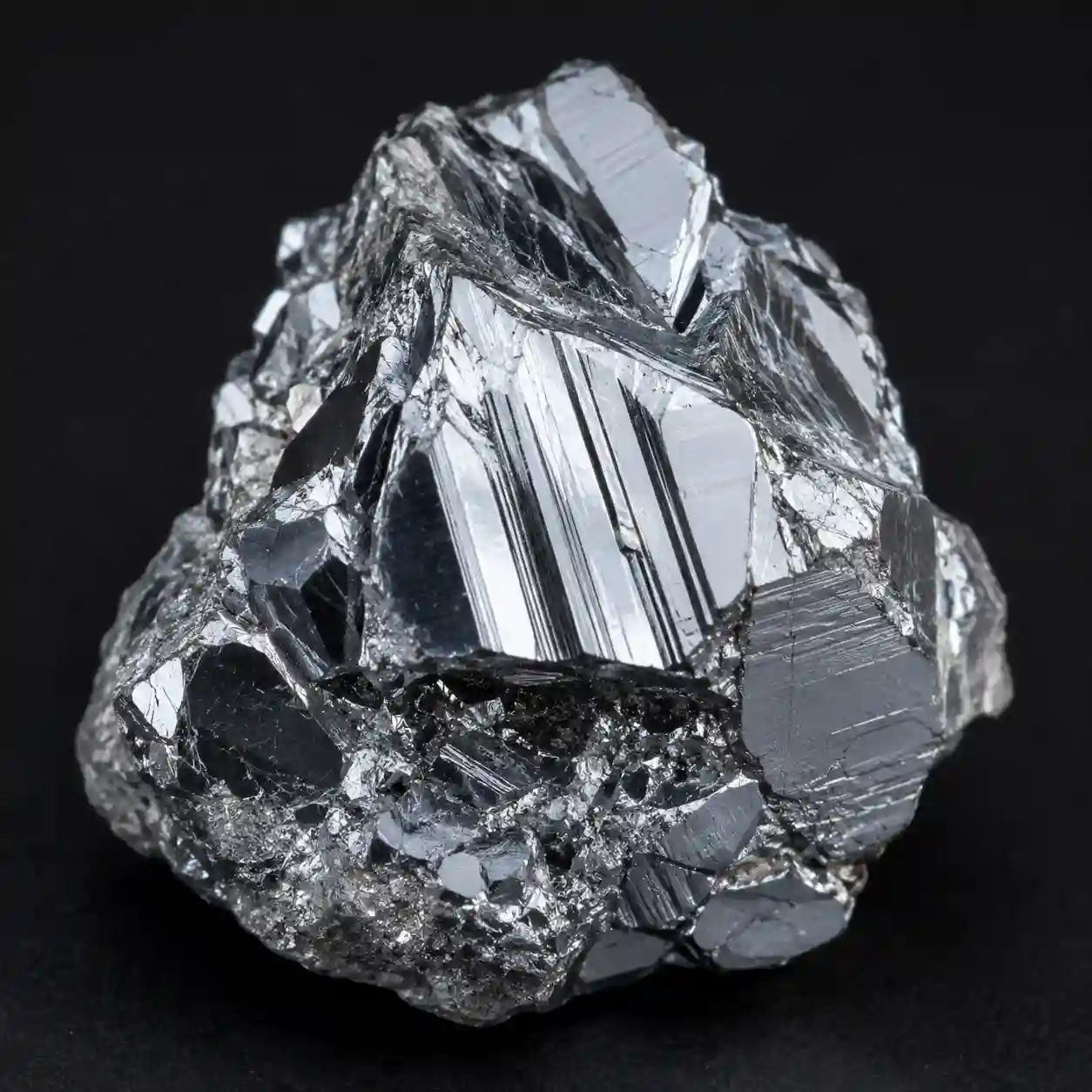 32Ge
32GeGermanium
Strongest stage: Optics / sensing
Medium High
Specialty semiconductor and optics material for fiber optics, infrared optics, space solar cells, and defense sensing.
Confidence: Medium · Last reviewed: June 2026
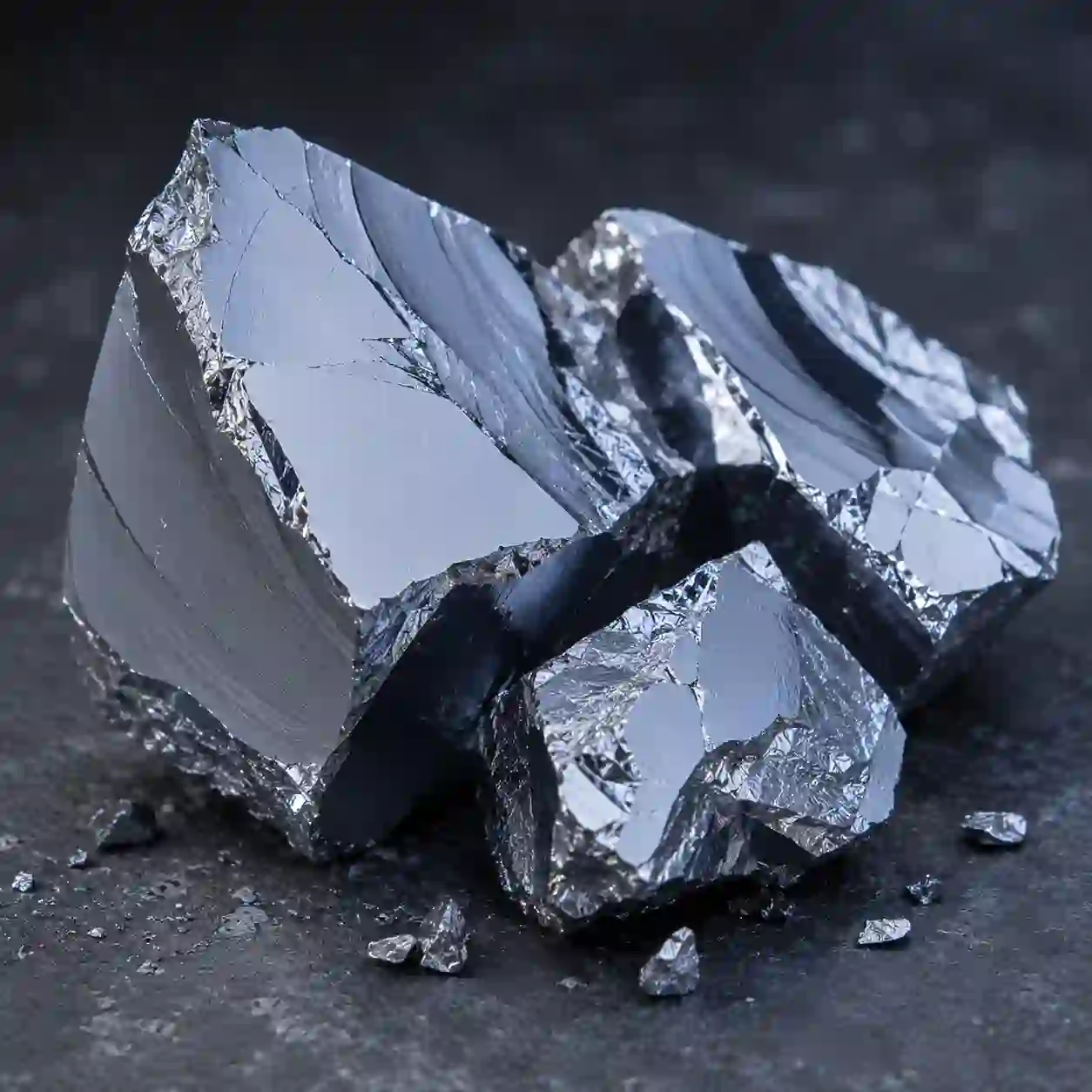 14Si
14SiSilicon
Strongest stage: Semiconductor base
Very High
Core semiconductor and electronics material for wafers, chips, power electronics, solar, and advanced manufacturing.
Confidence: High · Last reviewed: June 2026
 3Li
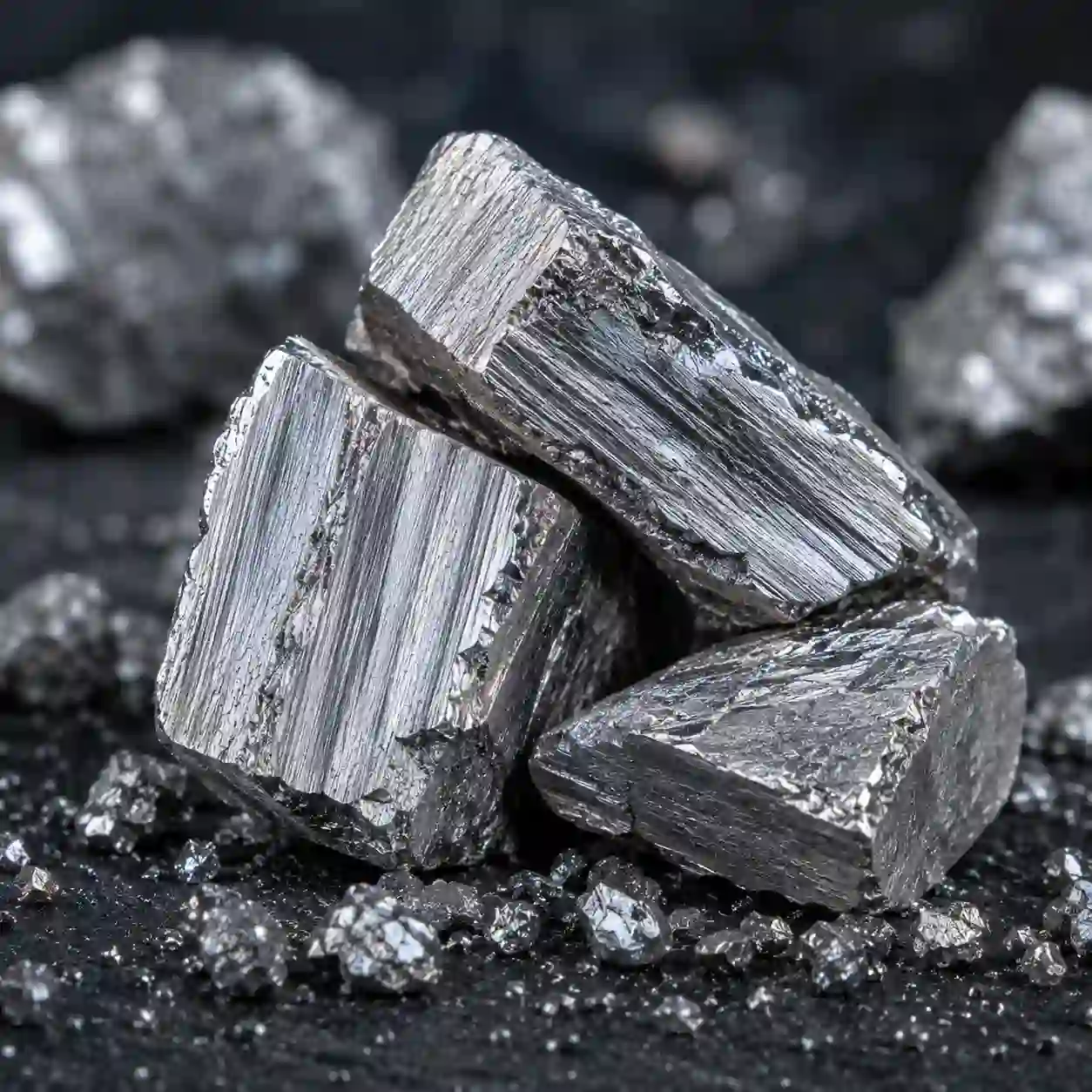
3LiLithium
Strongest stage: Battery supply chain
High
Battery and storage material relevant to EVs, automotive systems, trading-house strategy, and overseas project participation.
Confidence: Medium · Last reviewed: June 2026
 6C
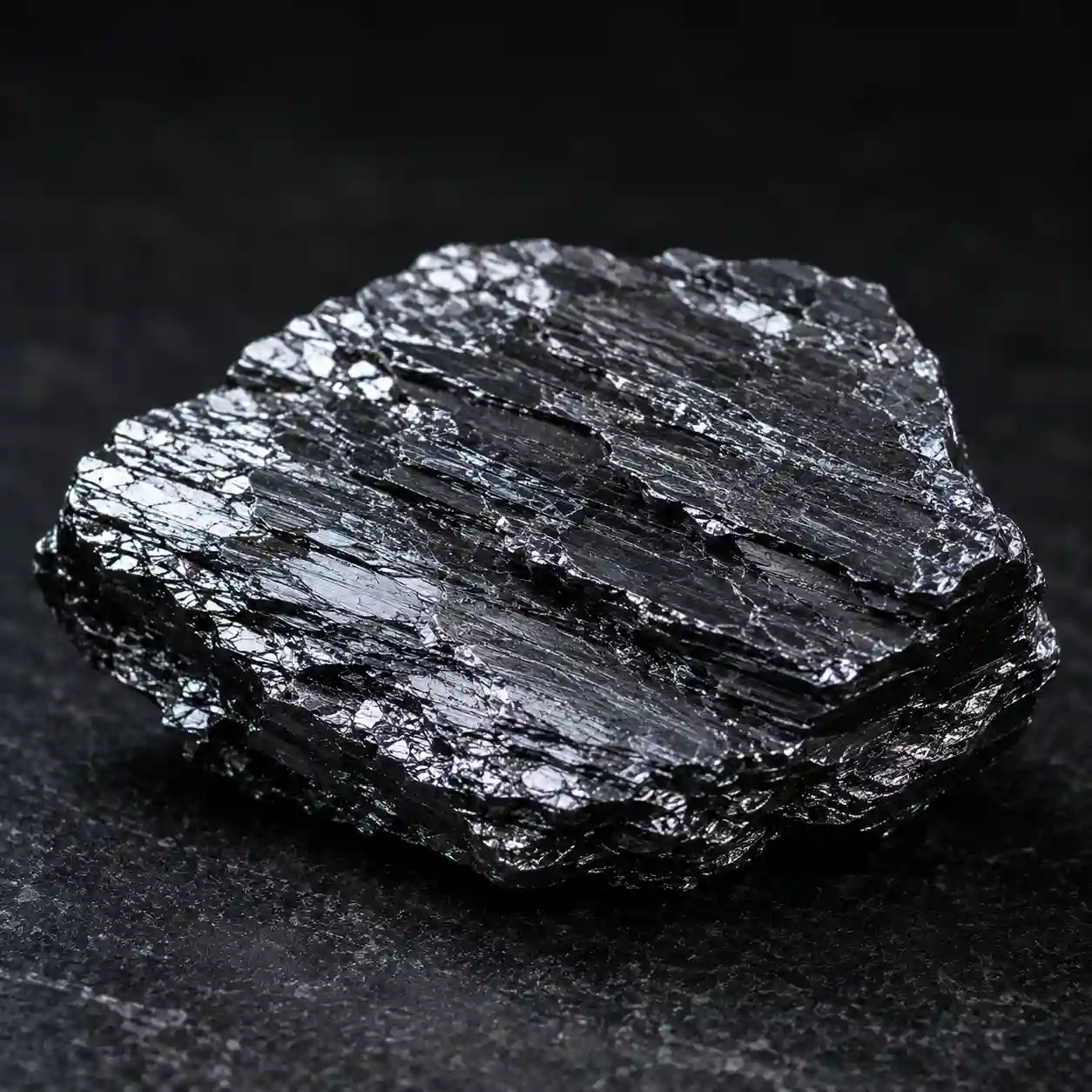
6CGraphite
Strongest stage: Battery anode
High
Battery-anode and storage material with China concentration risk, tied to EV batteries, anode supply chains, and recycling.
Confidence: Medium · Last reviewed: June 2026
Where dependency forms
Country exposure becomes more important when multiple supply-chain stages concentrate in the same geography.
Overseas project participation
Japanese companies, trading houses, and JOGMEC support participation in overseas mining and development, including lithium in Argentina.
External refining dependence
Limited domestic refining and separation means much value depends on externally concentrated midstream capacity.
Stockpiling buffer
Rare metal stockpiles act as safeguards against short-term overseas or domestic supply interruptions.
Recycling and circularity
Recovery of rare metals, magnets, batteries, and electronics reduces import exposure and supports materials security.
Trading-house reach
Japanese trading houses extend resource access through offtake, equity, and overseas project participation.
JOGMEC and policy support
Equity support, loans, investment systems, and debt guarantees back exploration, development, processing, and stockpiling.
Source context
Supply and production context should be grounded in public source categories, reviewed assumptions, and documented confidence labels.

JOGMEC
Metals activities, overseas project support, stockpiling, recycling, and resource security.
METI / ANRE
Industrial policy, materials security, and supply-chain resilience context.

USGS
Global production, reserves, and mineral commodity summaries.

Academic and industry references
Material properties, processing routes, substitution constraints, and downstream applications.
Source categories are shown for transparency. Raw evidence, reviewer notes, and source-to-score reasoning are not exposed in the public preview.
Public preview boundary
This tab shows a public-safe modeled view. It does not expose private evidence, raw source notes, or source-to-score reasoning.
Public preview includes
- Stage-level exposure labels
- Material-by-stage matrix
- High-level dependency interpretation
- Confidence labels
- Last-reviewed dates
- Source category context
- Modeled intelligence disclaimers
- Selected strategic material notes
Briefing / Pro includes
- Full evidence context
- Source-linked claims
- Trade-flow detail
- Company-level exposure
- Asset and facility exposure
- Customer-specific supplier notes
- Scenario analysis
- Exportable country brief
Modeled intelligence scores. Not official government ratings. Public-safe intelligence only.