Indonesia
Country ProfileIndonesia is modeled as a nickel downstreaming and battery-industrial policy node across stainless steel, EV batteries, cobalt byproducts, bauxite/alumina, tin, copper, and emerging rare earth potential. Its strength is world-scale nickel production, laterite resources, industrial park capacity, export-ban leverage, and domestic processing policy. Its exposure comes from China-linked processing, coal-powered smelting, HPAL execution risk, ore quota management, environmental impacts, labor and community pressure, and global nickel price-cycle volatility.
Supply & Production
Indonesia’s modeled supply role as a nickel downstreaming node, where laterite resources, industrial parks, export restrictions, and China-linked processing turn ore into stainless steel and battery materials.
Modeled public-preview assessment. Not official production shares or government ratings.
Strongest modeled role
Nickel dominance
Indonesia’s most important modeled role is upstream and midstream — world-scale nickel production and processing capacity.
Most relevant materials
Nickel, Cobalt, Bauxite, Tin
Battery, stainless-steel, and downstreaming materials carry high relevance where Indonesia is a leading producer.
Key supply-chain concern
Environment & ownership
Resource depth is not the constraint; coal power, environmental impact, China-linked processing, and HPAL execution are.
Public preview boundary
High-level context only
Detailed project-level, company-level, and trade-flow evidence remains reserved for briefing and Pro workflows.
Supply-chain stage map
A country’s role can change by stage. This view separates upstream production from processing, refining, manufacturing, logistics, and policy exposure.
Nickel laterites
Very High
Sulawesi and Halmahera anchor Indonesia’s nickel resource and processing story.
Industrial parks
Very High
Morowali, Weda Bay, and others concentrate smelting, HPAL, battery-material, and stainless-steel capacity.
Processing
Very High
NPI, ferronickel, nickel matte, MHP, HPAL, stainless steel, alumina, copper smelting, and tin refining all matter.
Export restrictions
High
Nickel, bauxite, and copper-concentrate policies show Indonesia’s downstreaming strategy and RKAB quotas.
China-linked investment
High
Chinese capital, technology, and offtake are central to smelting and HPAL scale-up.
Bauxite / alumina
Emerging
Bauxite mining and alumina refining extend downstreaming beyond nickel into the aluminum chain.
Energy & environment
Constraint
Coal-fired power, deforestation, tailings, sulfur dependence, and coastal impacts affect credibility.
Material-by-stage exposure matrix
Selected strategic materials mapped against the stages where Indonesia’s modeled influence is strongest.
| Material | Mining | Smelting | Battery processing | Export policy | China-linked | Environment |
|---|---|---|---|---|---|---|
| Nickel | Very High | Very High | Very High | High | Very High | Constraint |
| Cobalt | Selective | Medium High | High | Medium | High | Constraint |
| Bauxite / Alumina | High | Medium High | Selective | High | Medium High | Constraint |
| Tin | High | Medium High | Limited | Medium | Medium | Constraint |
| Copper | Medium High | Medium High | Limited | High | Medium | Medium |
| Rare Earths | Emerging | Emerging | Emerging | Medium | Medium | Medium |
These are modeled public-preview exposure labels, not official production shares. Detailed source-linked evidence remains part of Pro and briefing workflows.
Processing and refining concentration
The most important country exposure often appears after mining, where materials are processed, refined, separated, or upgraded for industrial use.
Why this matters
Mining tells only part of the story. A material can be extracted in one country, processed in another, refined somewhere else, and then embedded into a component or industrial system.
For selected strategic materials, the most strategically important stage is often not extraction itself but where material availability becomes industrial capability.
Concentration signals
- Nickel concentration — Strategic value is concentrated in nickel, where Indonesia is the dominant global supply source.
- Processing concentration — Smelting and HPAL are concentrated in a few industrial parks with heavy China-linked investment.
- Environmental constraint — Coal-powered processing, deforestation, and coastal impacts shape downstreaming legitimacy.
- Policy pathway — Export restrictions, RKAB quotas, and local-processing mandates decide supply and value capture.
Strategic materials by strongest stage
Each material’s exposure profile depends on where the country’s role is strongest.
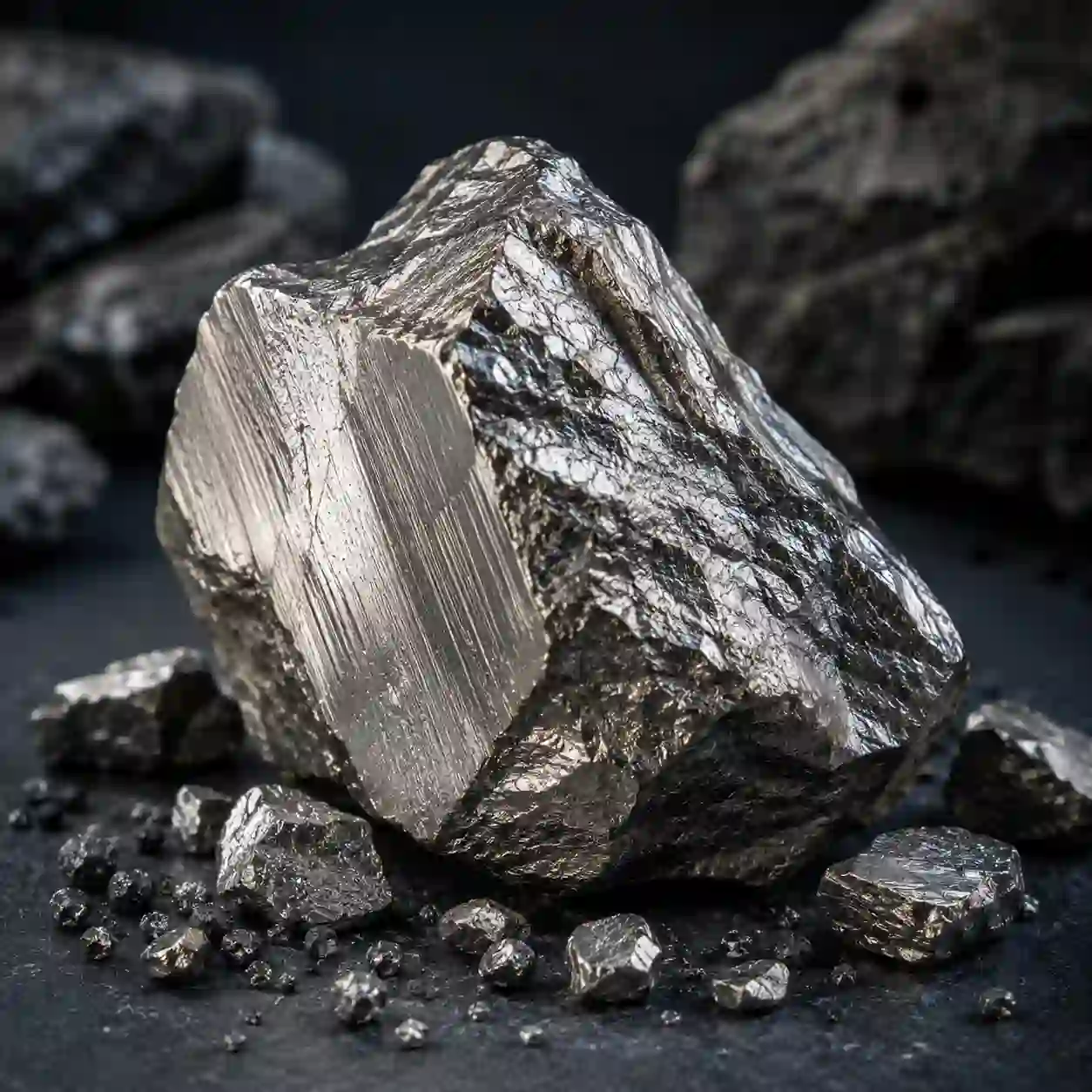 28Ni
28NiNickel
Strongest stage: Mining / processing
Very High
Indonesia’s central strategic mineral, tied to stainless steel, batteries, NPI, ferronickel, matte, MHP, and HPAL.
Confidence: High · Last reviewed: June 2026
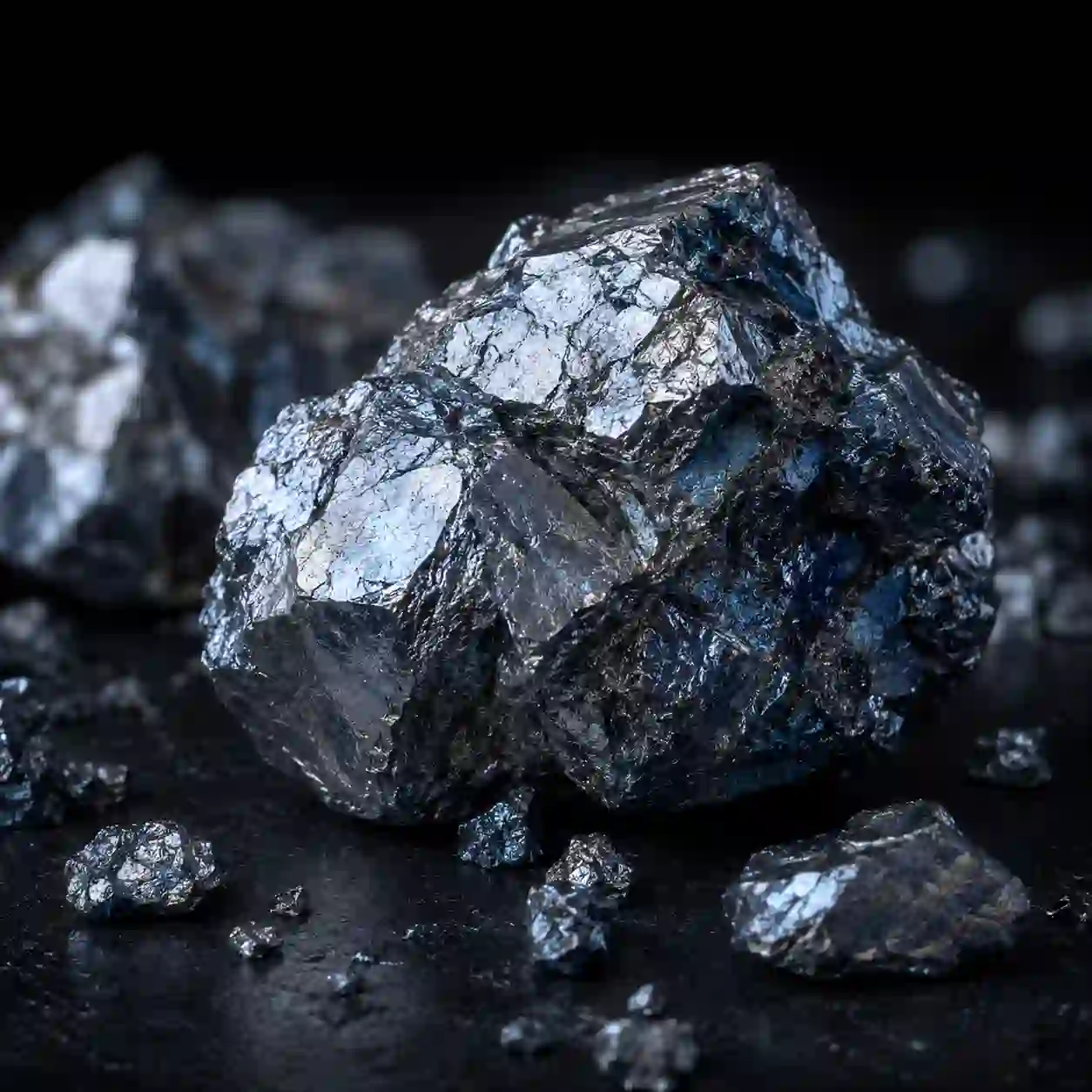 27Co
27CoCobalt
Strongest stage: Nickel byproduct
High
A battery byproduct from HPAL and MHP processing, relevant to cathodes and non-DRC cobalt diversification.
Confidence: Medium · Last reviewed: June 2026
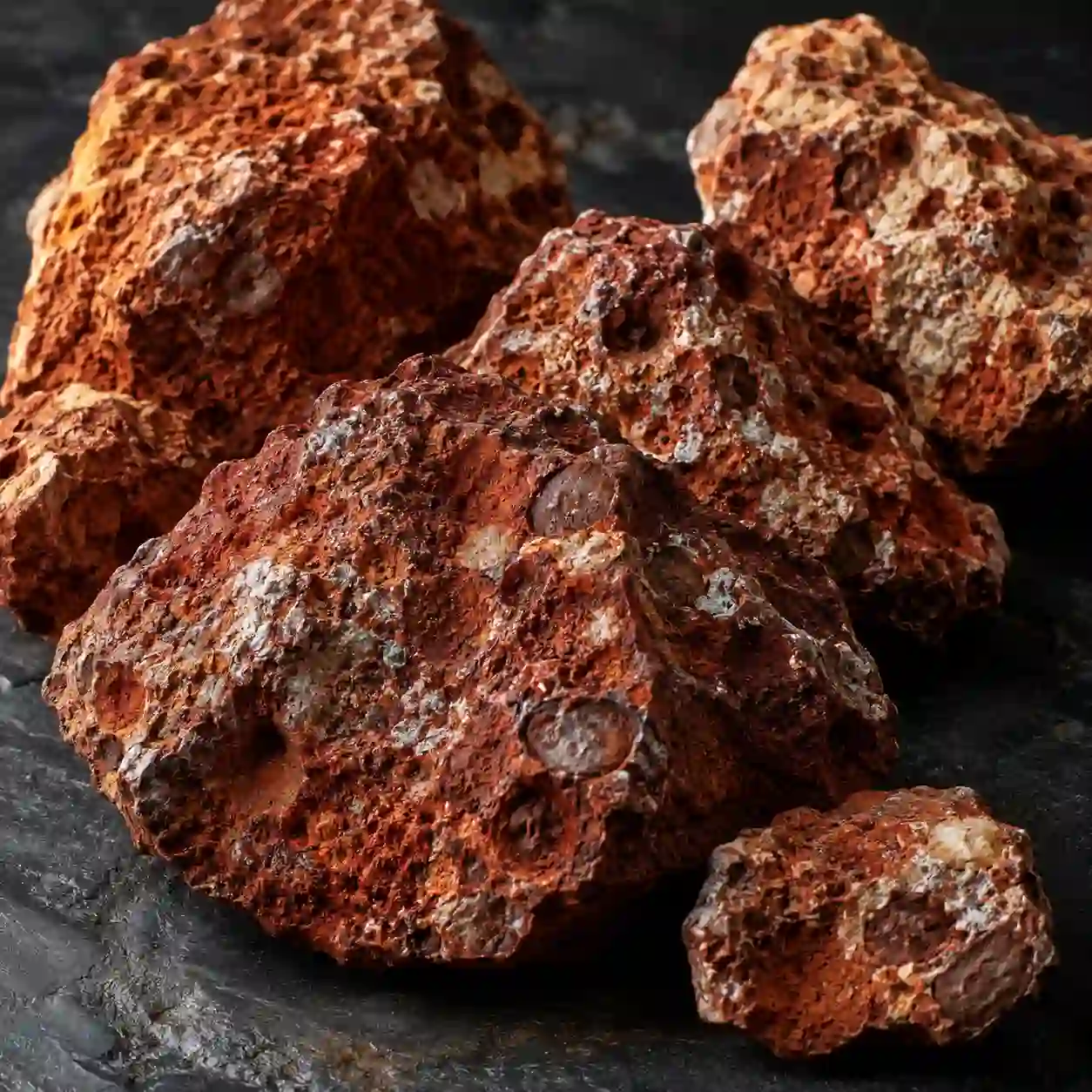 13Al
13AlBauxite / Alumina
Strongest stage: Mining / refining
Medium High
An aluminum-chain downstreaming material tied to bauxite mining, alumina refining, and export restrictions.
Confidence: Medium · Last reviewed: June 2026
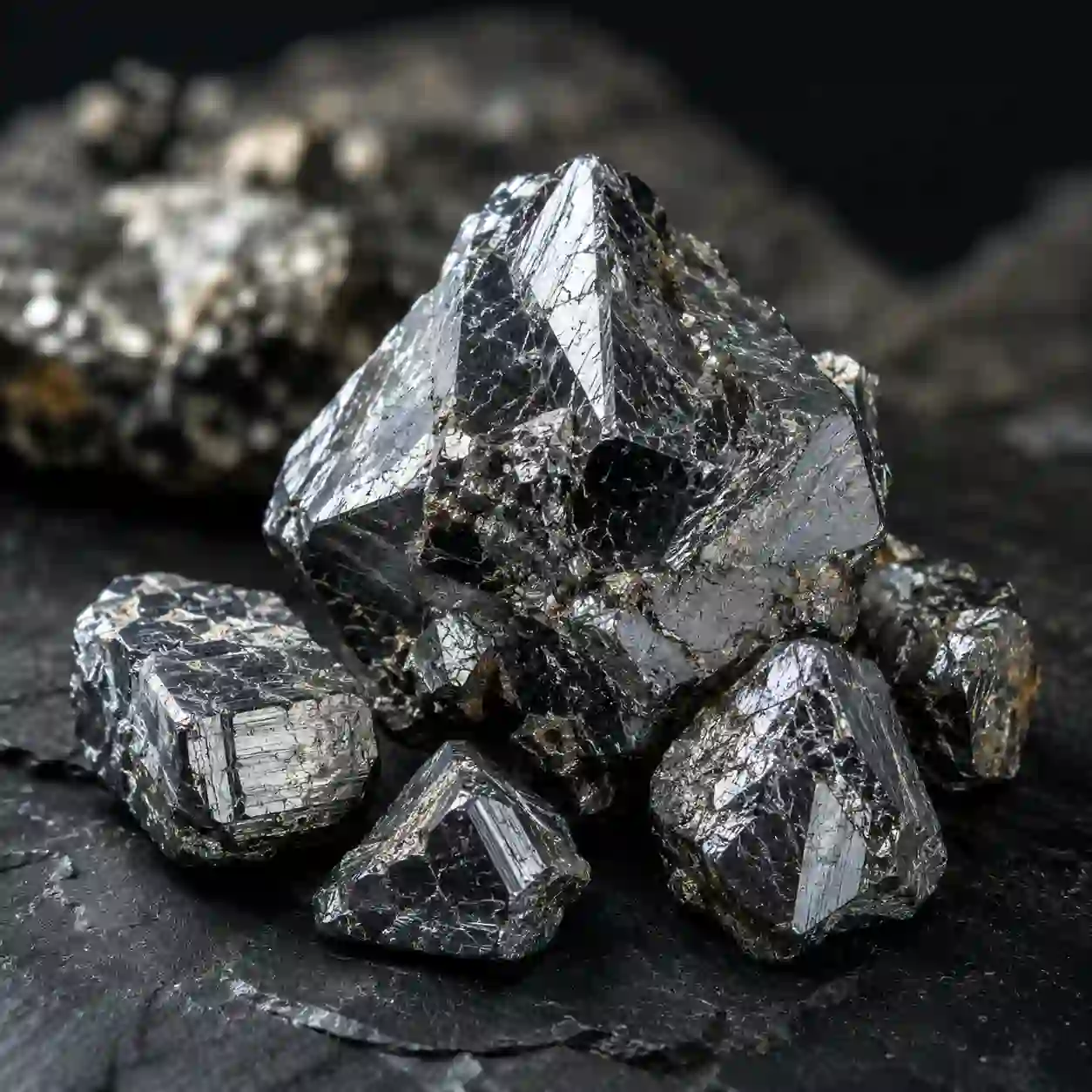 50Sn
50SnTin
Strongest stage: Mining / refining
High
An electronics and solder material from Bangka-Belitung, tied to governance and environmental exposure.
Confidence: Medium · Last reviewed: June 2026
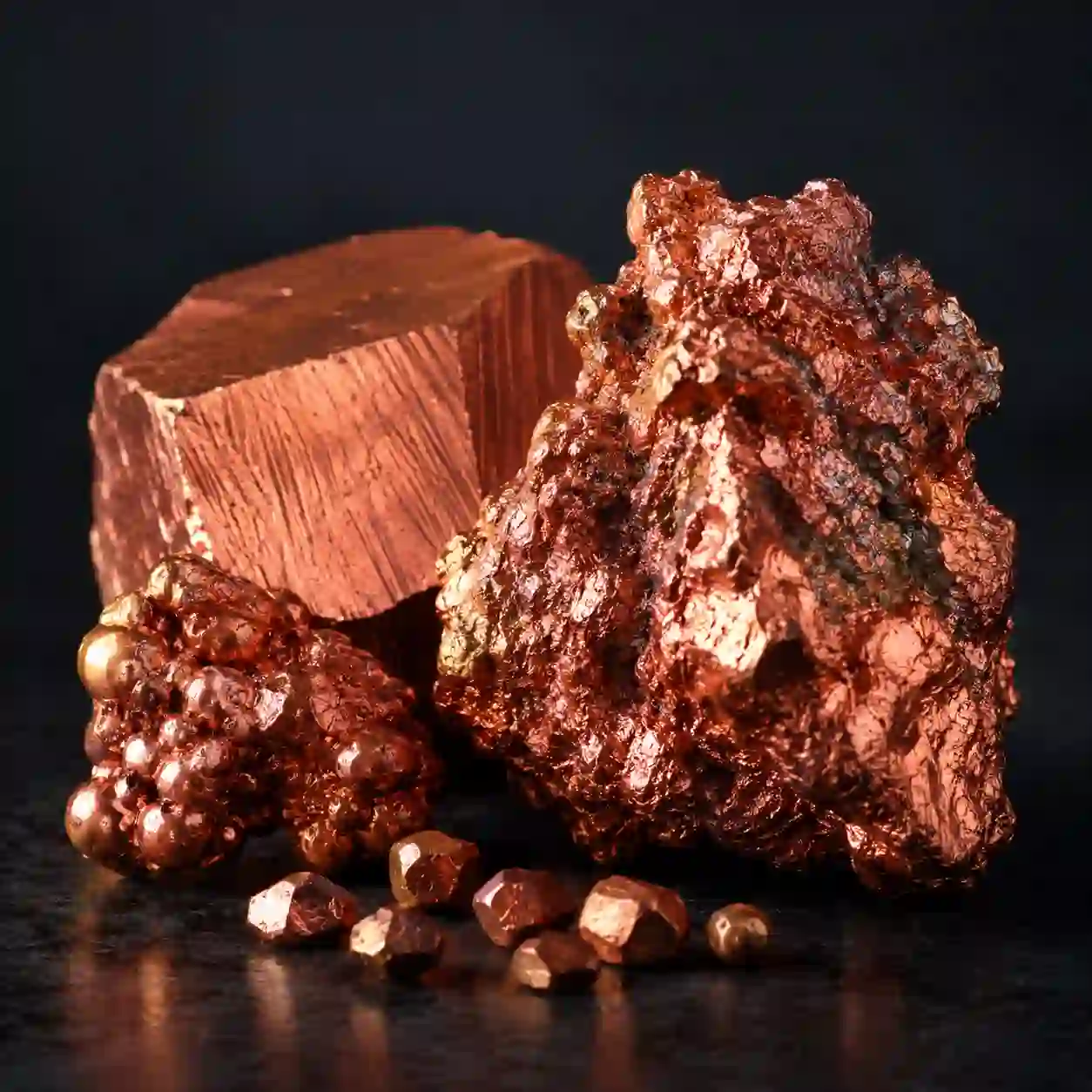 29Cu
29CuCopper
Strongest stage: Mining / smelting
Medium High
A grid and smelting-policy material tied to Grasberg, Batu Hijau, and concentrate export restrictions.
Confidence: Medium · Last reviewed: June 2026
 RE
RERare Earths
Strongest stage: Emerging
Emerging
Emerging strategic optionality for defense, EVs, and electronics tied to state mining strategy.
Confidence: Medium · Last reviewed: June 2026
Where dependency forms
Country exposure becomes more important when multiple supply-chain stages concentrate in the same geography.
Nickel resource base
World-scale laterite resources in Sulawesi and Halmahera anchor global nickel supply.
Industrial-park processing
Morowali, Weda Bay, and others concentrate smelting, HPAL, and battery-material capacity.
China-linked technology
Chinese capital, HPAL technology, and offtake are central to processing scale-up.
Downstreaming chain
NPI, ferronickel, matte, MHP, HPAL, alumina, and tin refining turn ore into higher-value products.
Energy and environment
Coal power, sulfur reagents, deforestation, and coastal impacts shape processing credibility.
Policy and quota
Export restrictions, RKAB quotas, and local-processing mandates shape supply and value capture.
Source context
Supply and production context should be grounded in public source categories, reviewed assumptions, and documented confidence labels.

Indonesia ESDM
RKAB, mining policy, production, export restrictions, and sector oversight.
BKPM / MIND ID
Downstreaming, industrial parks, investment, and state mining strategy.

USGS
Global production, reserves, and mineral commodity summaries.

Academic / environmental studies
Industrial parks, coal power, deforestation, marine impact, and labor context.
Source categories are shown for transparency. Raw evidence, reviewer notes, and source-to-score reasoning are not exposed in the public preview.
Public preview boundary
This tab shows a public-safe modeled view. It does not expose private evidence, raw source notes, or source-to-score reasoning.
Public preview includes
- Stage-level exposure labels
- Material-by-stage matrix
- High-level dependency interpretation
- Confidence labels
- Last-reviewed dates
- Source category context
- Modeled intelligence disclaimers
- Selected strategic material notes
Briefing / Pro includes
- Full evidence context
- Source-linked claims
- Trade-flow detail
- Company-level exposure
- Asset and facility exposure
- Customer-specific supplier notes
- Scenario analysis
- Exportable country brief
Modeled intelligence scores. Not official government ratings. Public-safe intelligence only.