Chile
Country ProfileChile is modeled as a copper-lithium energy-transition and resource-policy node across electrification, batteries, grid infrastructure, EVs, clean energy, industrial systems, and strategic mineral supply chains. Its strength is world-scale copper and lithium resource depth. Its exposure comes from water stress, salt-flat governance, state participation, permitting, processing and refining limits, project execution, and global price-cycle pressure.
Supply & Production
Chile’s modeled supply role as a copper-lithium energy-transition node, where world-scale copper mining and salt-flat lithium brines meet water stress, state participation, and processing and value-capture questions.
Modeled public-preview assessment. Not official production shares or government ratings.
Strongest modeled role
Copper-lithium depth
Chile’s most important modeled role is upstream — world-scale copper production and globally significant lithium brine reserves.
Most relevant materials
Copper, Lithium, Molybdenum, Silver
Electrification, battery, and specialty byproduct materials carry high relevance where Chile is a leading global producer.
Key supply-chain concern
Water & value capture
Resource depth is not the constraint; water stress, salt-flat governance, permitting, and processing depth are.
Public preview boundary
High-level context only
Detailed project-level, company-level, and trade-flow evidence remains reserved for briefing and Pro workflows.
Supply-chain stage map
A country’s role can change by stage. This view separates upstream production from processing, refining, manufacturing, logistics, and policy exposure.
Copper mining
Very High
Large-scale copper production across northern and central Chile anchors the global copper supply base.
Lithium brines
Very High
Salar de Atacama remains the central operating lithium base, with future projects at Maricunga and Salares Altoandinos.
Processing
Selective / contested
Mining capacity is strong, but smelting, refining, battery-materials, and DLE deployment face value-capture questions.
Refining
Partial
Copper concentrate and lithium chemical conversion leave value capture partly dependent on external midstream.
State participation
High
Codelco, ENAMI, CORFO, COCHILCO, and the National Lithium Strategy shape access, partnerships, and value capture.
Private operators
High
SQM, Albemarle, BHP, Antofagasta, Anglo American, and others shape production, investment, and project execution.
Water & energy
Constraint
Desalination, water rights, salt-flat hydrology, power, and environmental approvals are core supply constraints.
Material-by-stage exposure matrix
Selected strategic materials mapped against the stages where Chile’s modeled influence is strongest.
| Material | Mining | Brine extraction | Processing | State participation | Water & energy | Export |
|---|---|---|---|---|---|---|
| Copper | Very High | Limited | Medium High | High | Medium High | Very High |
| Lithium | Selective | Very High | Medium | High | Constraint | High |
| Molybdenum | High | Limited | Medium | Medium | Medium | High |
| Rhenium | Medium High | Limited | Selective | Medium | Medium | Medium High |
| Iodine | Medium High | Selective | Medium | Medium | Medium | High |
| Silver | Medium High | Limited | Medium | Medium | Medium | Medium High |
These are modeled public-preview exposure labels, not official production shares. Detailed source-linked evidence remains part of Pro and briefing workflows.
Processing and refining concentration
The most important country exposure often appears after mining, where materials are processed, refined, separated, or upgraded for industrial use.
Why this matters
Mining tells only part of the story. A material can be extracted in one country, processed in another, refined somewhere else, and then embedded into a component or industrial system.
For selected strategic materials, the most strategically important stage is often not extraction itself but where material availability becomes industrial capability.
Concentration signals
- Copper-lithium depth — Strategic value is concentrated in copper and lithium, where Chile is a leading global supply source.
- Value-capture risk — Value can leave as concentrate or lithium chemical unless processing and local capture scale.
- Salt-flat constraint — Lithium brines and northern copper operate in water-sensitive regions where hydrology shapes supply.
- State-policy pathway — State participation, water governance, permitting, and community legitimacy decide reliability and value capture.
Strategic materials by strongest stage
Each material’s exposure profile depends on where the country’s role is strongest.
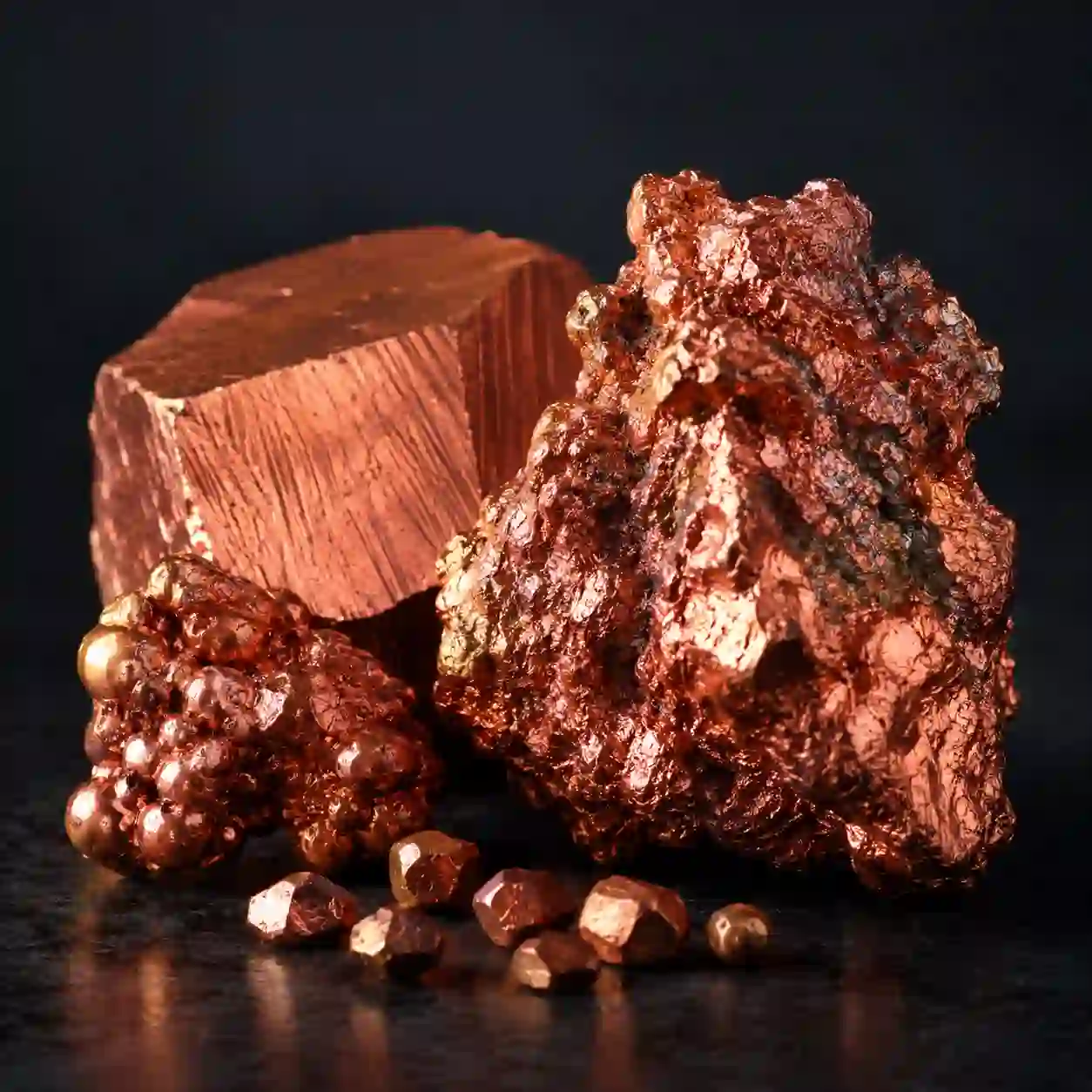 29Cu
29CuCopper
Strongest stage: Mining
Very High
Chile’s central strategic mineral, tied to grids, electrification, EV wiring, data-center power, and export revenue.
Confidence: High · Last reviewed: June 2026
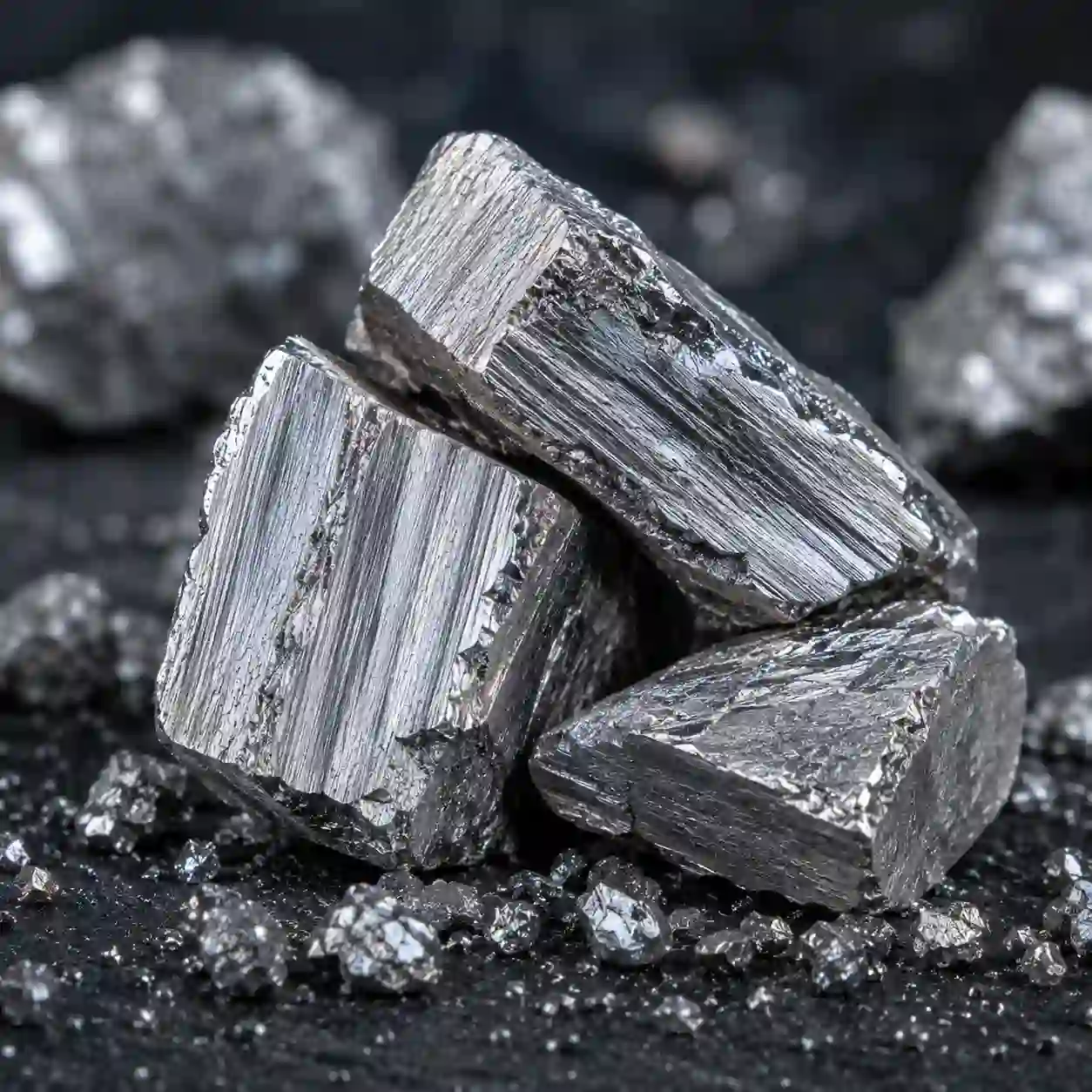 3Li
3LiLithium
Strongest stage: Brine extraction
Very High
Chile’s central battery mineral from Salar de Atacama, tied to EV and grid storage, state strategy, and water governance.
Confidence: High · Last reviewed: June 2026
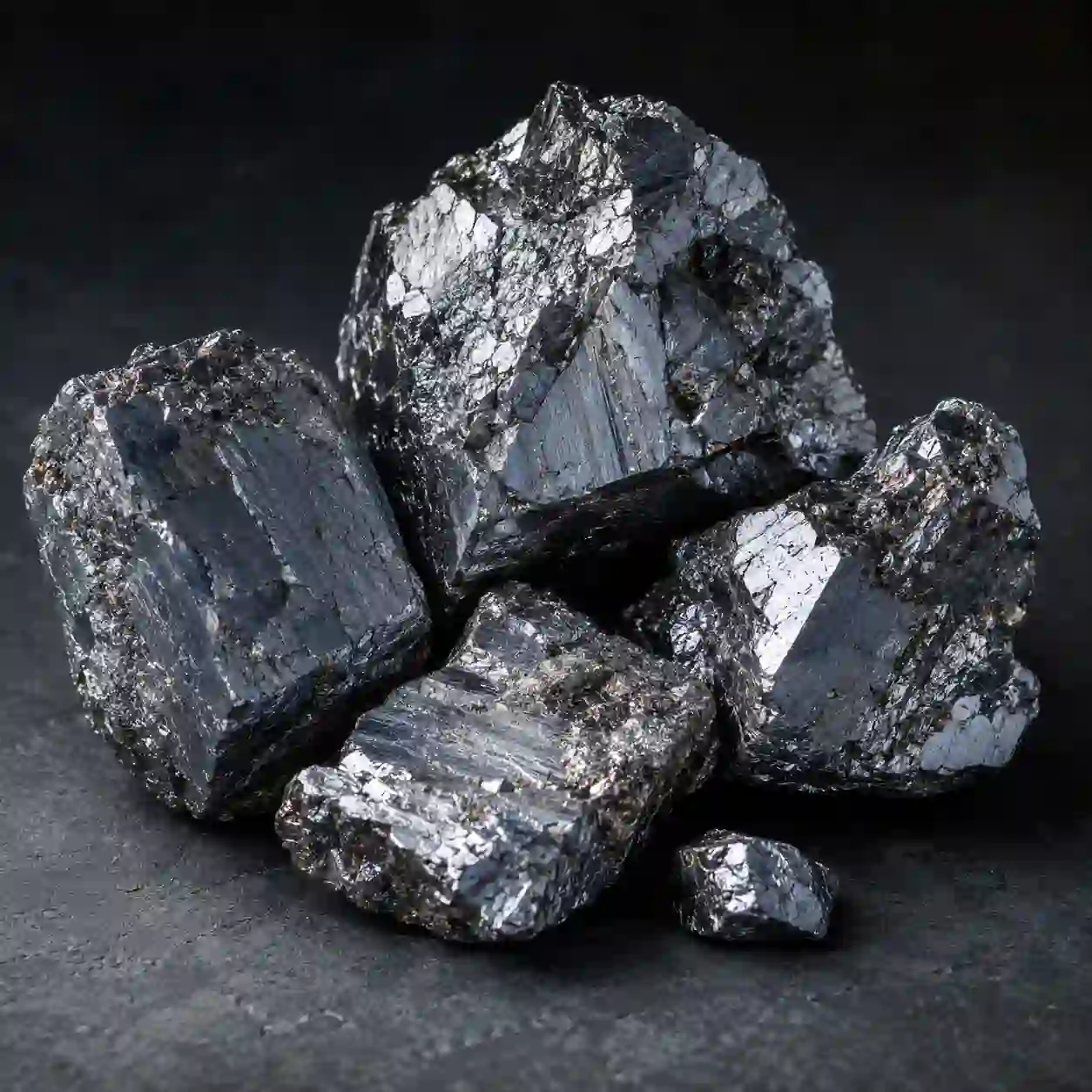 42Mo
42MoMolybdenum
Strongest stage: Copper byproduct
High
A copper byproduct relevant to steel alloys, energy infrastructure, and chemical processing.
Confidence: Medium · Last reviewed: June 2026
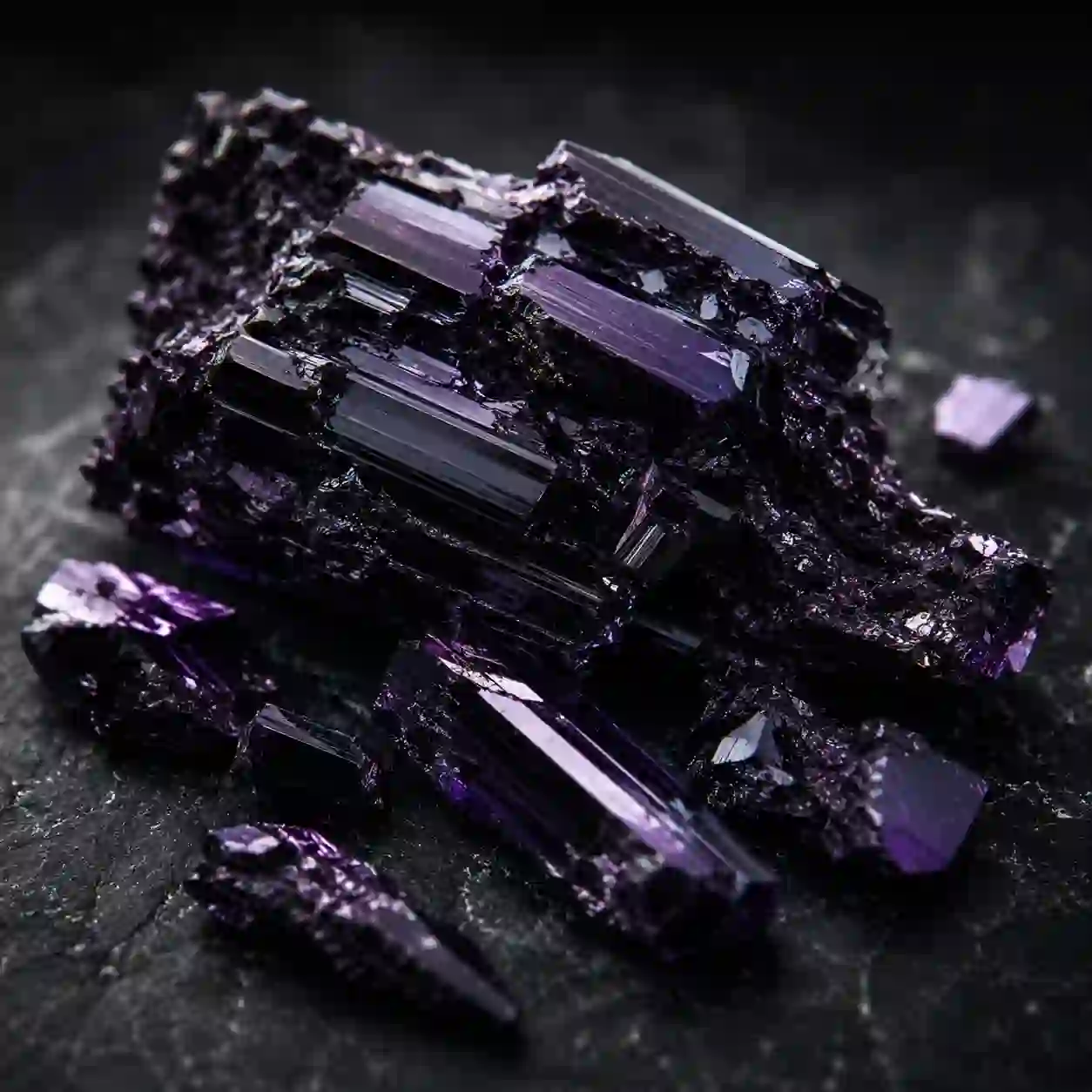
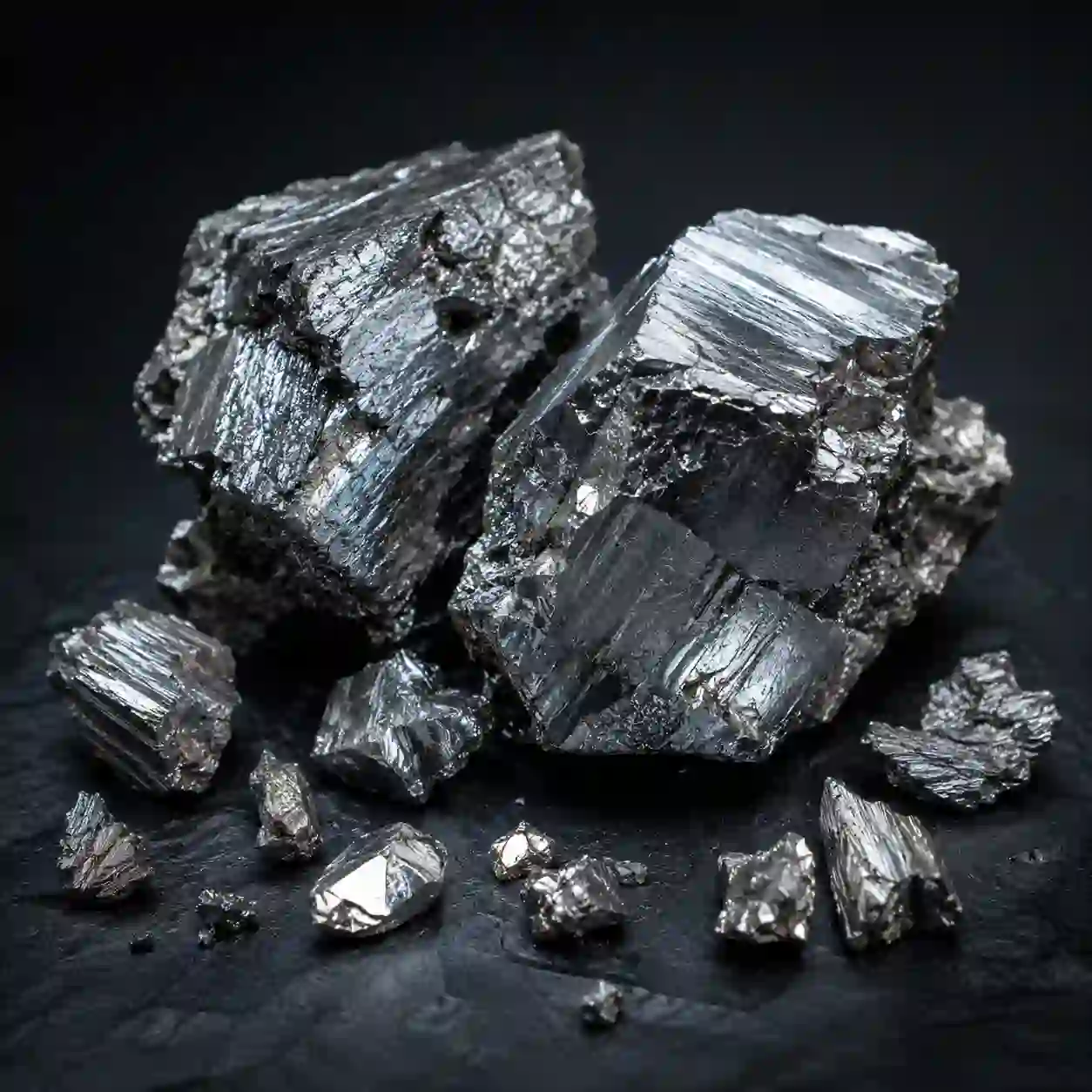 75Re
75ReRhenium
Strongest stage: Specialty byproduct
Medium High
A high-value byproduct for superalloys, jet engines, turbines, and high-temperature aerospace systems.
Confidence: Medium · Last reviewed: June 2026
 53I
53IIodine
Strongest stage: Specialty mineral
Medium High
A Chile specialty mineral for chemicals, pharmaceuticals, medical imaging, and electronics.
Confidence: Medium · Last reviewed: June 2026
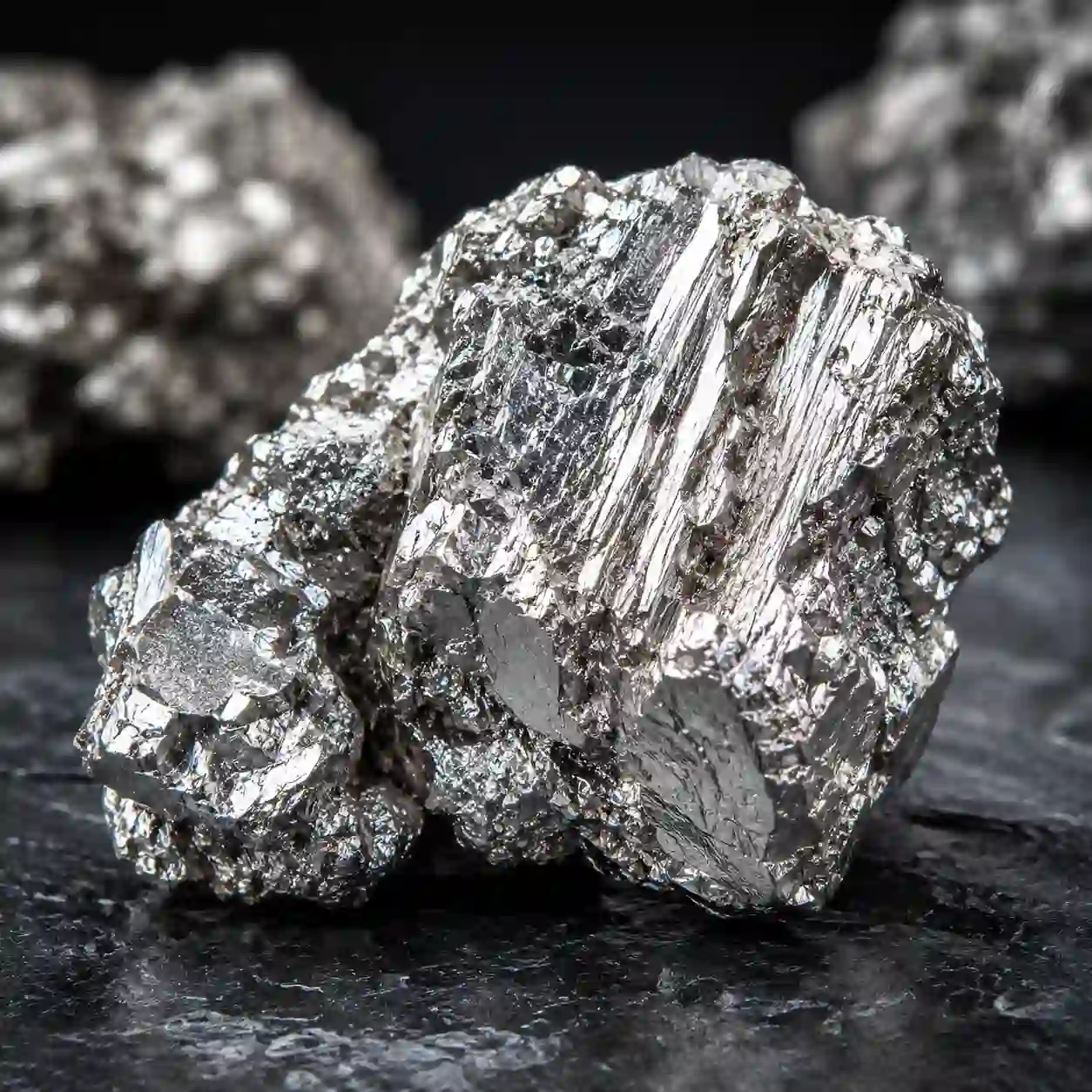 47Ag
47AgSilver
Strongest stage: Byproduct
Medium High
A clean-energy and electronics material relevant to solar PV, conductive materials, and industrial systems.
Confidence: Medium · Last reviewed: June 2026
Where dependency forms
Country exposure becomes more important when multiple supply-chain stages concentrate in the same geography.
Copper mining base
World-scale copper production anchors export revenue and global electrification supply.
Lithium brines
Salt-flat lithium brines anchor battery-chain relevance, with DLE and water governance as key questions.
Processing depth
Limited refining and battery-materials capacity leaves value capture partly dependent on external midstream.
State and private structure
Codelco, ENAMI, CORFO, and private operators shape ownership, partnerships, and value capture.
Water and energy
Desalination, water rights, hydrology, and power decide whether mine and brine expansion can scale.
Price-cycle exposure
Copper and lithium price cycles shape investment pacing, project execution, and state revenue.
Source context
Supply and production context should be grounded in public source categories, reviewed assumptions, and documented confidence labels.

Chile Ministry of Mining
Lithium strategy, mining policy, state participation, and sector oversight.
COCHILCO
Copper and lithium production, forecasts, and market context.

USGS
Global production, reserves, and mineral commodity summaries.

Industry references
DLE, smelting, desalination, water, and project-pipeline context.
Source categories are shown for transparency. Raw evidence, reviewer notes, and source-to-score reasoning are not exposed in the public preview.
Public preview boundary
This tab shows a public-safe modeled view. It does not expose private evidence, raw source notes, or source-to-score reasoning.
Public preview includes
- Stage-level exposure labels
- Material-by-stage matrix
- High-level dependency interpretation
- Confidence labels
- Last-reviewed dates
- Source category context
- Modeled intelligence disclaimers
- Selected strategic material notes
Briefing / Pro includes
- Full evidence context
- Source-linked claims
- Trade-flow detail
- Company-level exposure
- Asset and facility exposure
- Customer-specific supplier notes
- Scenario analysis
- Exportable country brief
Modeled intelligence scores. Not official government ratings. Public-safe intelligence only.