Canada
Country ProfileCanada is modeled as an allied resource and North American integration node across critical minerals, batteries, defense supply chains, clean technology, and grid materials. Its strength is upstream resource depth, mining expertise, ESG positioning, and proximity to U.S. industrial demand; its execution risk sits in permitting, infrastructure, processing scale, Indigenous consultation, and the speed at which mineral projects become reliable industrial supply.
Supply & Production
Canada’s modeled role as an allied upstream resource and North American integration node, where deep mineral resources meet a midstream processing and project-execution gap.
Modeled public-preview assessment. Not official production shares or government ratings.
Strongest modeled role
Allied resource depth
Canada’s most important modeled role is upstream — large nickel, copper, lithium, graphite, cobalt, and rare earth resources aligned to North American demand.
Most relevant materials
Nickel, Cobalt, Lithium, Graphite
Selected battery and clean-tech materials carry high allied relevance where Canada is a significant producer or holds material reserves.
Key supply-chain concern
Processing gap
Extraction does not automatically create battery-grade, magnet-ready, or component-ready supply; midstream conversion is the recurring constraint.
Public preview boundary
High-level context only
Detailed project-level, company-level, and trade-flow evidence remains reserved for briefing and Pro workflows.
Supply-chain stage map
A country’s role can change by stage. This view separates upstream production from processing, refining, manufacturing, logistics, and policy exposure.
Mining
Very High
Mining is the core strength, with significant nickel, copper, and uranium production and an expanding lithium and graphite base.
Processing
Selective / rebuilding
Intermediate processing exists for some metals but is limited relative to mining scale and battery-grade demand.
Refining
Partial
Refining and battery-grade conversion for several materials remain partial and are a focus of policy and project decisions.
Separation
Emerging
Rare earth separation, metals, and magnet capacity are an emerging allied supply opportunity rather than an established base.
Manufacturing
Medium High
Advanced manufacturing, aerospace, and a developing North American battery corridor pull on Canadian materials.
Infrastructure
Constraint
Remote and northern projects depend on roads, power, ports, transmission, and logistics investment to reach markets.
Policy & Partnership
High
Critical minerals policy, Investment Canada Act review, and Indigenous consultation shape which projects advance.
Material-by-stage exposure matrix
Selected strategic materials mapped against the stages where Canada’s modeled influence is strongest.
| Material | Mining | Processing | Refining | Separation | Infrastructure | Pipeline |
|---|---|---|---|---|---|---|
| Nickel | Very High | Medium High | Medium High | Limited | Medium | High |
| Cobalt | Medium High | Selective | Medium | Limited | Medium | Medium High |
| Lithium | Medium High | Selective | Limited | Limited | Medium | High |
| Graphite | Medium High | Selective | Limited | Limited | Medium | High |
| Copper | High | Medium High | Medium | Limited | Medium High | Medium High |
| Rare Earths | Medium High | Emerging | Emerging | Emerging | Medium | Medium High |
These are modeled public-preview exposure labels, not official production shares. Detailed source-linked evidence remains part of Pro and briefing workflows.
Processing and refining concentration
The most important country exposure often appears after mining, where materials are processed, refined, separated, or upgraded for industrial use.
Why this matters
Mining tells only part of the story. A material can be extracted in one country, processed in another, refined somewhere else, and then embedded into a component or industrial system.
For selected strategic materials, the most strategically important stage is often not extraction itself but where material availability becomes industrial capability.
Concentration signals
- Upstream depth — Strategic value is concentrated at the mining stage, where Canada is a significant global producer across several materials.
- Value-capture risk — Value can leave the country as raw or semi-processed material unless processing, components, and recycling scale alongside extraction.
- Remote concentration — Many resources sit in remote and northern regions where infrastructure decides whether deposits become supply.
- Partnership pathway — Permitting, financing, and Indigenous consultation and benefit-sharing are central to project execution.
Strategic materials by strongest stage
Each material’s exposure profile depends on where the country’s role is strongest.
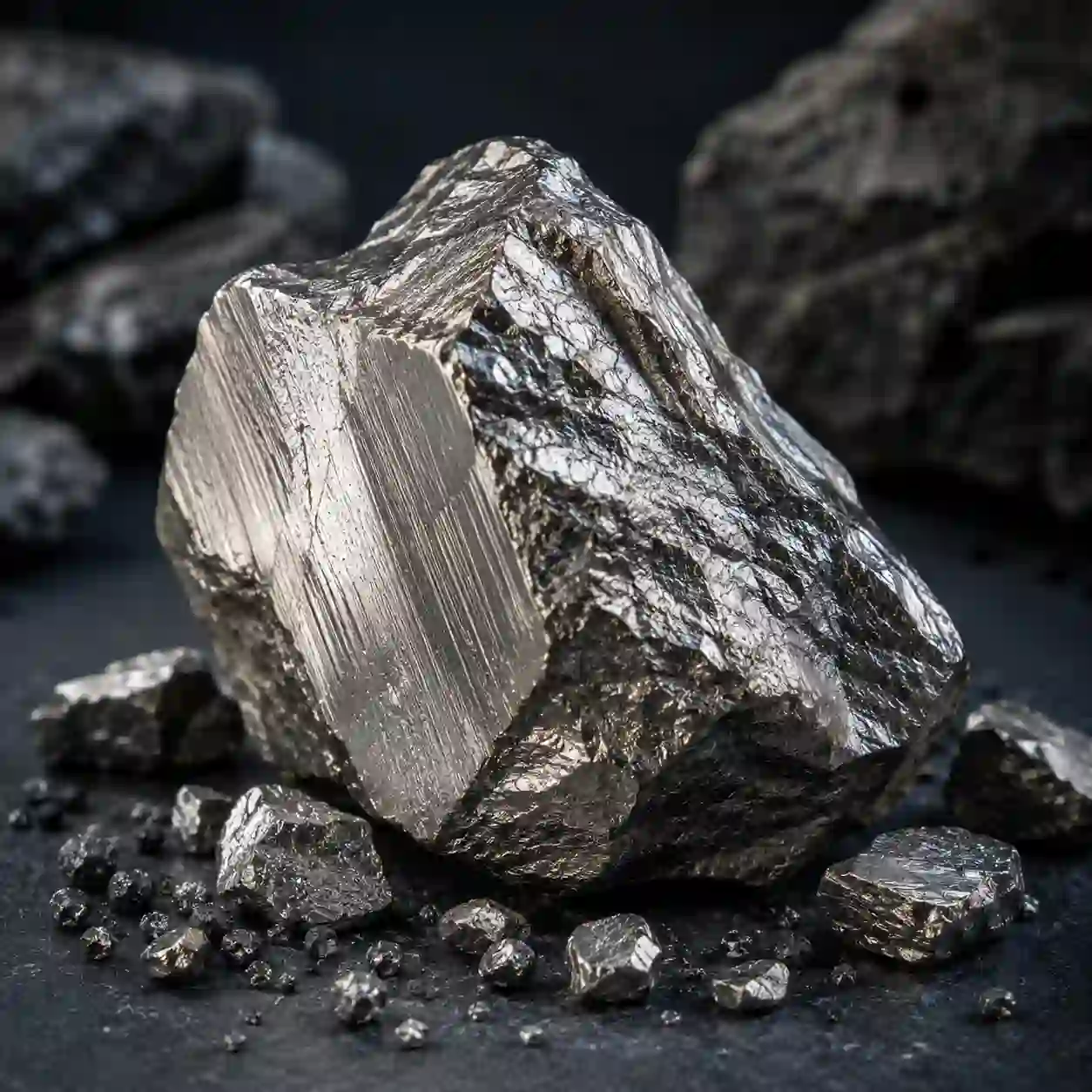 28Ni
28NiNickel
Strongest stage: Mining / processing
Very High
Nickel is a core Canadian strength tied to EV batteries, stainless steel, aerospace, electronics, and industrial systems.
Confidence: High · Last reviewed: June 2026
 29Cu
29CuCopper
Strongest stage: Mining
High
Copper supports grid, electrification, transmission, EVs, and the industrial base, with mining strength across multiple provinces.
Confidence: High · Last reviewed: June 2026
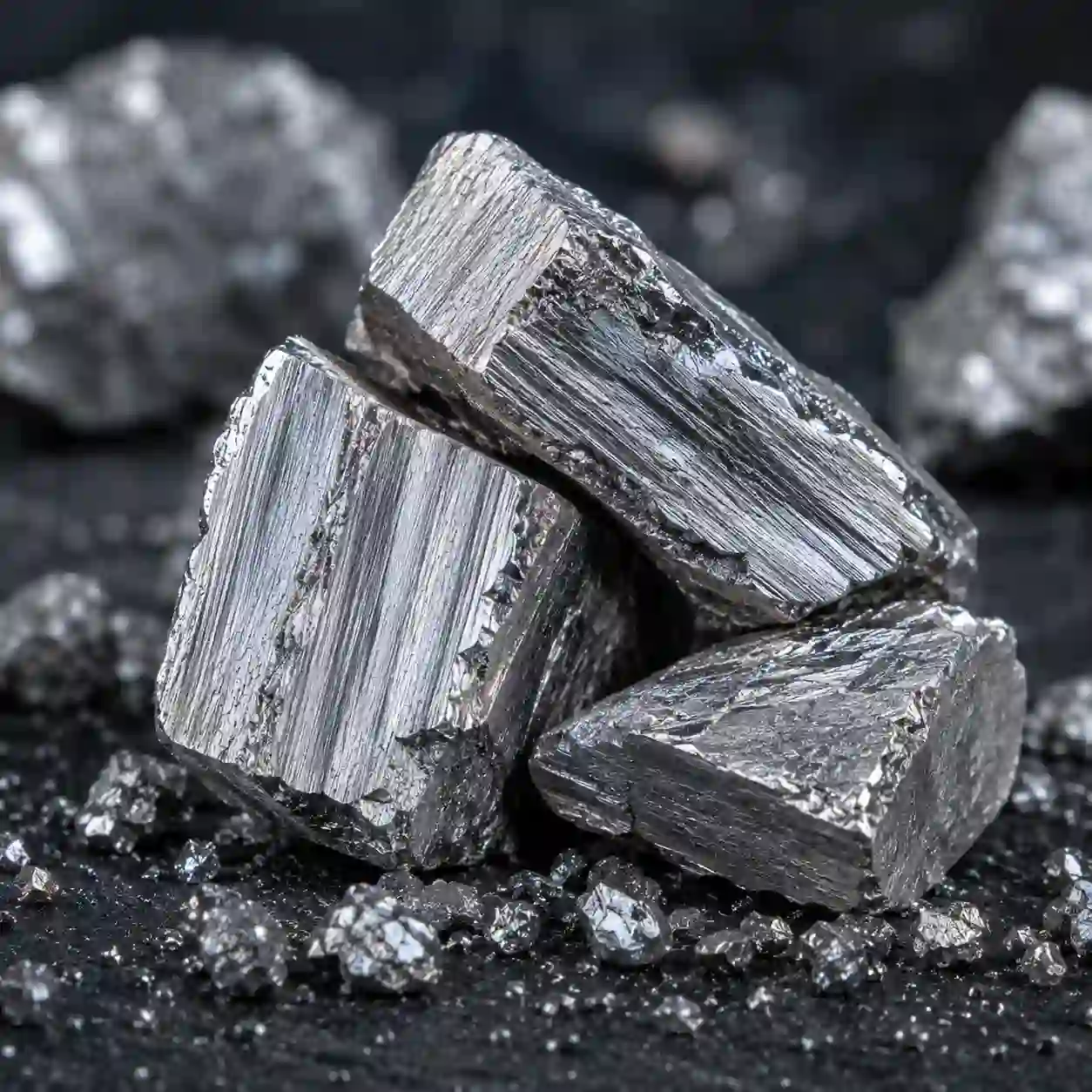 3Li
3LiLithium
Strongest stage: Mining / project pipeline
Medium High
Canada produced lithium from mines in Manitoba and Quebec in 2024; refining decisions matter for battery-grade supply.
Confidence: Medium · Last reviewed: June 2026
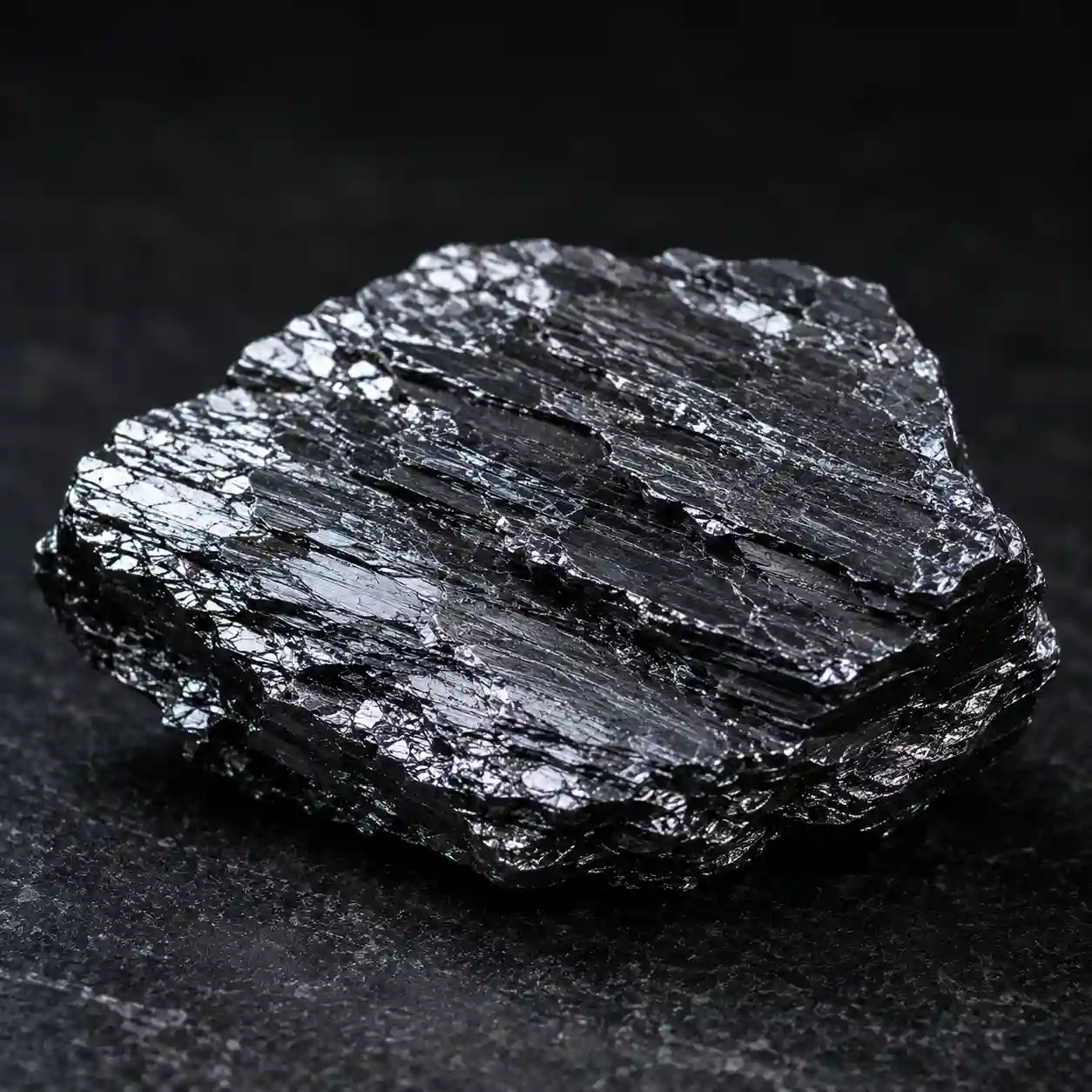 6C
6CGraphite
Strongest stage: Mining / anode relevance
Medium High
Canada produced natural graphite in 2024 and exports primarily to the United States; anode material is the strategic frontier.
Confidence: Medium · Last reviewed: June 2026
 27Co
27CoCobalt
Strongest stage: Mining (by-product)
Medium High
Cobalt is an important by-product material connected to batteries, jet engines, hydrogen fuel cells, and supply-chain security.
Confidence: Medium · Last reviewed: June 2026
 RE
RERare Earths
Strongest stage: Mining / separation (emerging)
Medium High
Rare earths are a strategic allied supply opportunity for magnets, defense technologies, motors, and wind systems.
Confidence: Medium · Last reviewed: June 2026
Where dependency forms
Country exposure becomes more important when multiple supply-chain stages concentrate in the same geography.
Upstream production
Significant mined supply across nickel, copper, lithium, graphite, cobalt, uranium, and potash anchors the resource base.
Processing gap
Limited domestic refining and battery-grade conversion means much value depends on external midstream capacity.
Magnet and metals chain
Rare earth separation, metals, and magnet capacity are emerging rather than established, a key allied-supply frontier.
Infrastructure dependence
Remote operations depend on roads, power, ports, and transmission to reach North American and allied markets.
Project-pipeline execution
Strategic value depends on whether mining, processing, separation, and recycling projects reach production.
Partnership and policy
Permitting, financing, Investment Canada Act review, and Indigenous partnership shape project legitimacy and pace.
Source context
Supply and production context should be grounded in public source categories, reviewed assumptions, and documented confidence labels.

Natural Resources Canada
Critical minerals list, mineral production facts, and resource data.
Canada Critical Minerals Strategy
Priority minerals, value-chain framing, and public policy objectives.

USGS
Global production, reserves, and mineral commodity summaries.

Academic and industry references
Material properties, processing routes, substitution constraints, and downstream applications.
Source categories are shown for transparency. Raw evidence, reviewer notes, and source-to-score reasoning are not exposed in the public preview.
Public preview boundary
This tab shows a public-safe modeled view. It does not expose private evidence, raw source notes, or source-to-score reasoning.
Public preview includes
- Stage-level exposure labels
- Material-by-stage matrix
- High-level dependency interpretation
- Confidence labels
- Last-reviewed dates
- Source category context
- Modeled intelligence disclaimers
- Selected strategic material notes
Briefing / Pro includes
- Full evidence context
- Source-linked claims
- Trade-flow detail
- Company-level exposure
- Asset and facility exposure
- Customer-specific supplier notes
- Scenario analysis
- Exportable country brief
Modeled intelligence scores. Not official government ratings. Public-safe intelligence only.