Australia
Country ProfileAustralia is modeled as an upstream resource power across lithium, rare earths, nickel, and other critical minerals — strategically valuable as an allied supplier but gated by a midstream processing gap and reliance on offshore refining.
Supply & Production
Australia’s modeled role as an upstream resource power across selected critical minerals, where mining strength meets a limited midstream processing base.
Modeled public-preview assessment. Not official production shares or government ratings.
Strongest modeled role
Mining & Extraction
Australia’s most important modeled role is upstream — large resource endowments and established mining across lithium, rare earths, nickel, and other critical minerals.
Most relevant materials
Lithium, Rare Earths, Nickel, Cobalt
Selected materials show high upstream relevance where Australia is a significant producer or holds material reserves.
Key supply-chain concern
Midstream processing gap
Much output leaves as ore or concentrate and is refined offshore, so dependency risk concentrates downstream of mining rather than at extraction.
Public preview boundary
High-level context only
Detailed project-level, company-level, and trade-flow evidence remains reserved for briefing and Pro workflows.
Supply-chain stage map
A country’s role can change by stage. This view separates upstream production from processing, refining, manufacturing, logistics, and policy exposure.
Mining
Very High
Mining is the core of Australia’s modeled role, with significant production and reserves across several critical minerals.
Processing
Selective / emerging
Domestic processing exists but is limited relative to mining scale; converting concentrate into usable industrial material is a developing capability.
Refining
Limited
Refining and chemical conversion capacity is modest relative to resource strength, so much value is captured offshore.
Separation
Emerging
For rare earth and specialty supply chains, domestic separation is an emerging capability and a focus of allied supply-chain strategy.
Manufacturing
Low
Downstream manufacturing tied to these materials is limited domestically; Australia’s role is primarily as a feedstock supplier.
Logistics
High
Bulk export logistics — ports, rail, and shipping from remote mining regions — are central to Australia’s supply-chain role.
Policy Direction
Medium High
Critical minerals strategy, approvals, and allied partnerships shape investment, permitting, and the push to build midstream capacity.
Material-by-stage exposure matrix
Selected strategic materials mapped against the stages where Australia’s modeled influence is strongest.
| Material | Mining | Processing | Refining | Separation | Export role | Pipeline |
|---|---|---|---|---|---|---|
| Lithium | Very High | Selective | Limited | Limited | Very High | High |
| Rare Earths | High | Emerging | Emerging | Emerging | High | High |
| Nickel | High | Medium High | Medium | Limited | High | Medium High |
| Cobalt | Medium High | Selective | Limited | Limited | Medium High | Medium |
| Copper | High | Medium | Medium | Limited | High | Medium High |
| Manganese | High | Selective | Limited | Limited | High | Medium |
These are modeled public-preview exposure labels, not official production shares. Detailed source-linked evidence remains part of Pro and briefing workflows.
Processing and refining concentration
The most important country exposure often appears after mining, where materials are processed, refined, separated, or upgraded for industrial use.
Why this matters
Mining tells only part of the story. A material can be extracted in one country, processed in another, refined somewhere else, and then embedded into a component or industrial system.
For selected strategic materials, the most strategically important stage is often not extraction itself but where material availability becomes industrial capability.
Concentration signals
- Upstream concentration — Strategic value is concentrated at the mining stage, where Australia is a significant global producer of several materials.
- Regional clustering — Production is concentrated in a few mining regions, creating geographic and infrastructure dependence.
- Offshore conversion — Because refining is limited domestically, exposure travels offshore where ore and concentrate are processed.
- Pipeline dependence — Future midstream capacity depends on project approvals, finance, and infrastructure that are still developing.
Strategic materials by strongest stage
Each material’s exposure profile depends on where the country’s role is strongest.
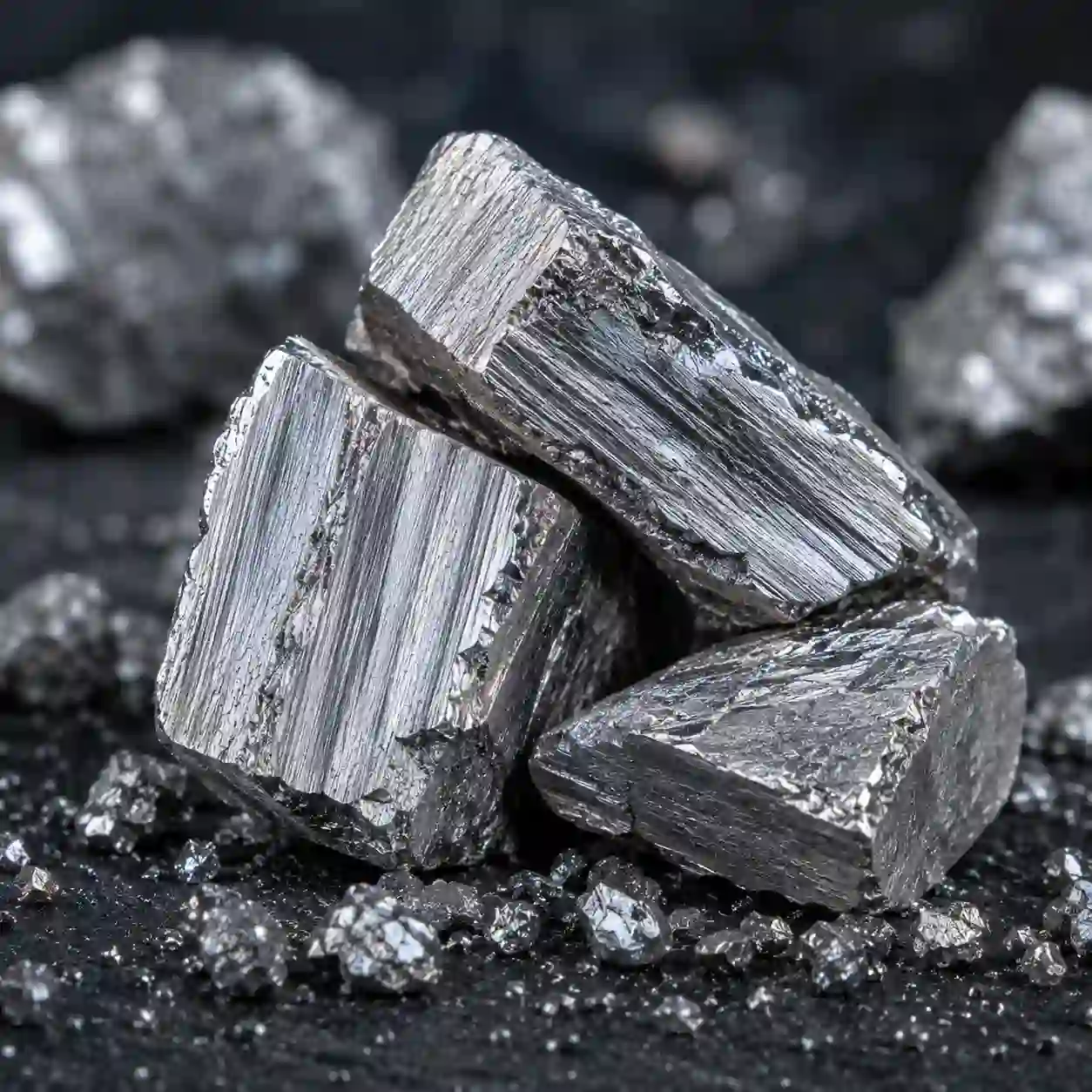 3Li
3LiLithium
Strongest stage: Mining / Extraction
Very High
Australia is a significant upstream lithium supplier, though much spodumene is exported for conversion offshore. Domestic conversion is a strategic focus.
Confidence: Medium · Last reviewed: June 2026
 RE
RERare Earths
Strongest stage: Mining / Separation (emerging)
High
Australia holds meaningful rare earth resources and is positioned in allied strategy to build separation capacity outside dominant offshore processing.
Confidence: Medium · Last reviewed: June 2026
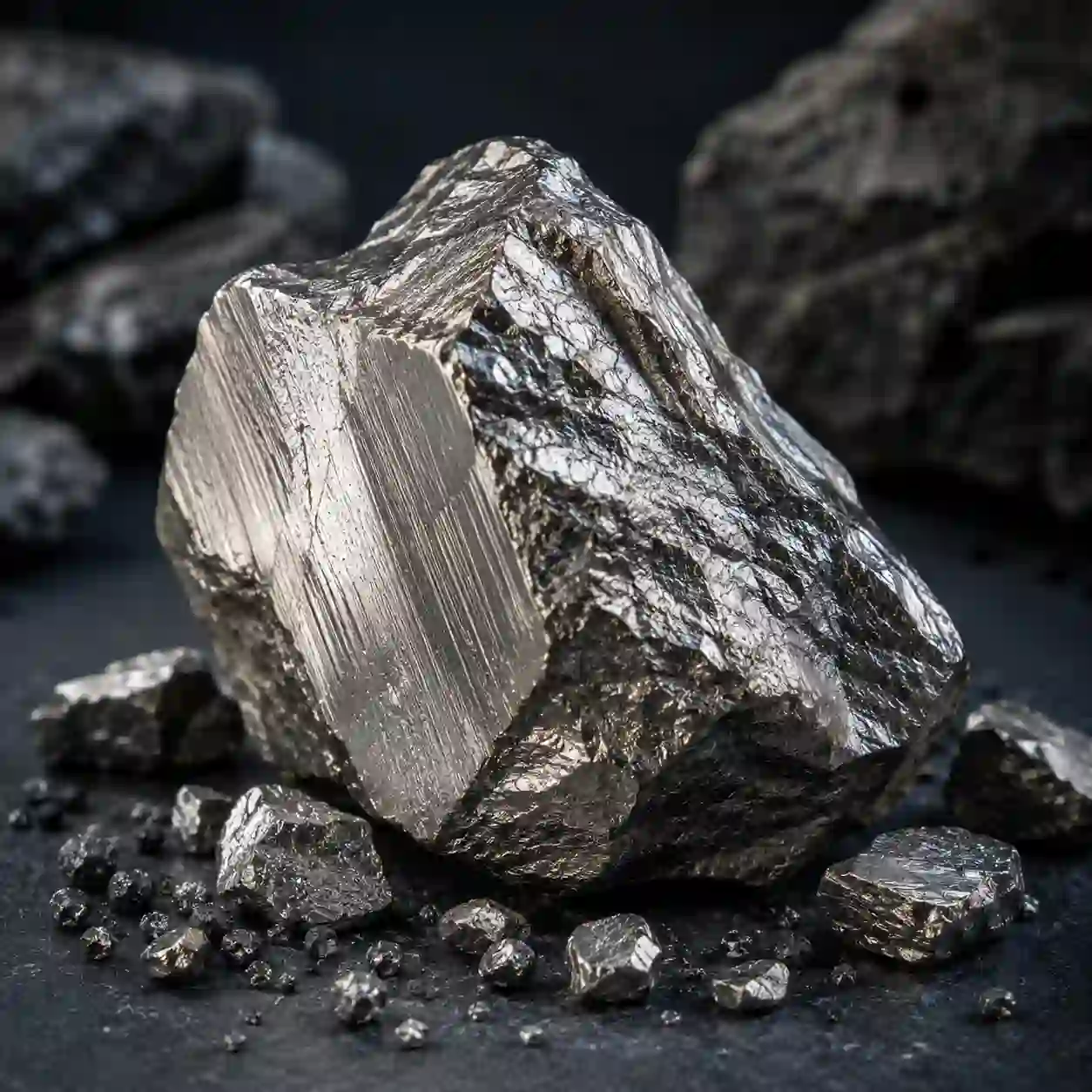 28Ni
28NiNickel
Strongest stage: Mining / Processing
High
Nickel exposure spans mining and some processing, with relevance to battery supply chains and exposure to global price cycles.
Confidence: Medium · Last reviewed: June 2026
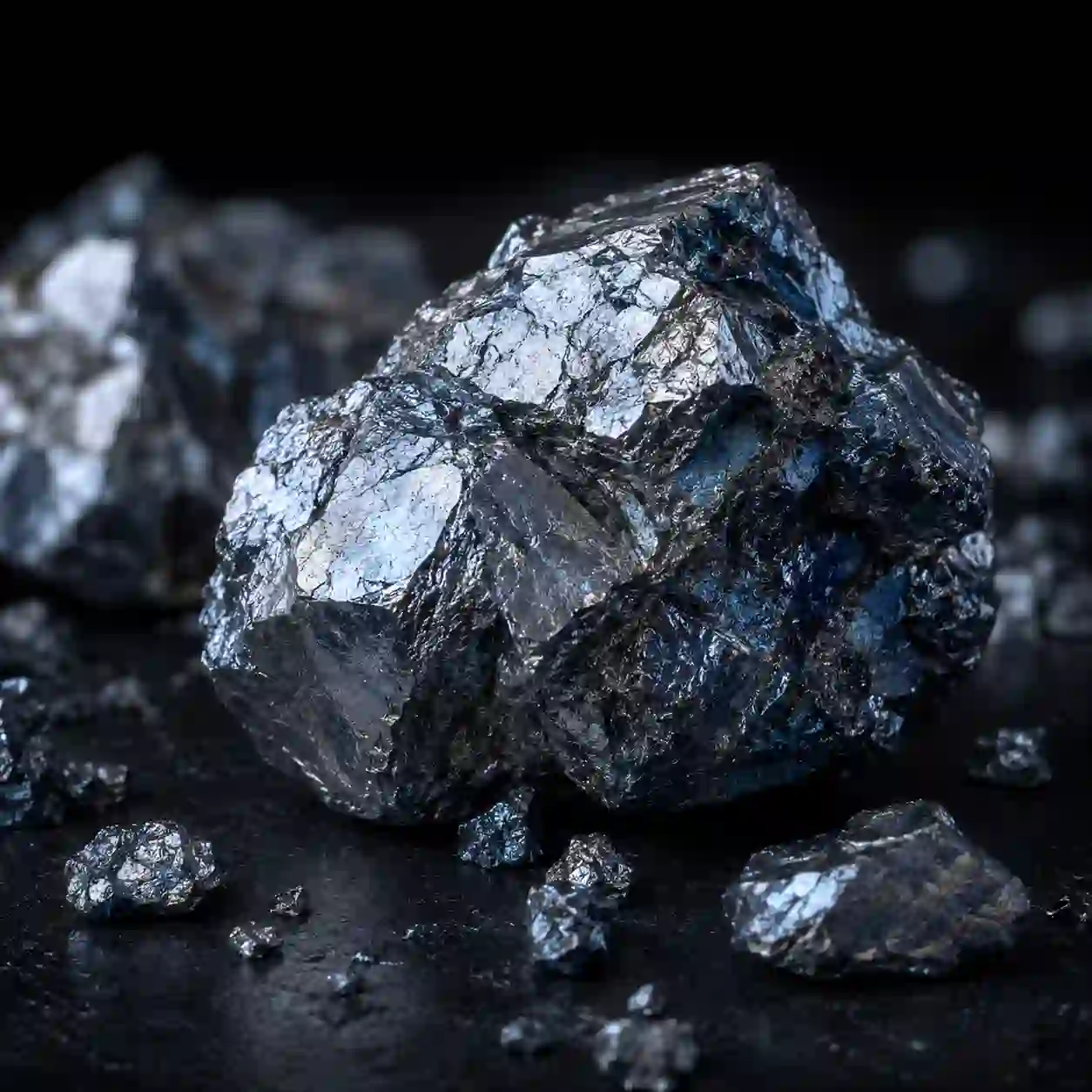 27Co
27CoCobalt
Strongest stage: Mining (by-product)
Medium High
Cobalt is often a by-product of nickel and copper mining; Australia is a notable holder of reserves relevant to battery supply chains.
Confidence: Low · Last reviewed: June 2026
 29Cu
29CuCopper
Strongest stage: Mining
High
Copper exposure is upstream, tied to electrification and grid demand, with refining capacity modest relative to mined output.
Confidence: Medium · Last reviewed: June 2026
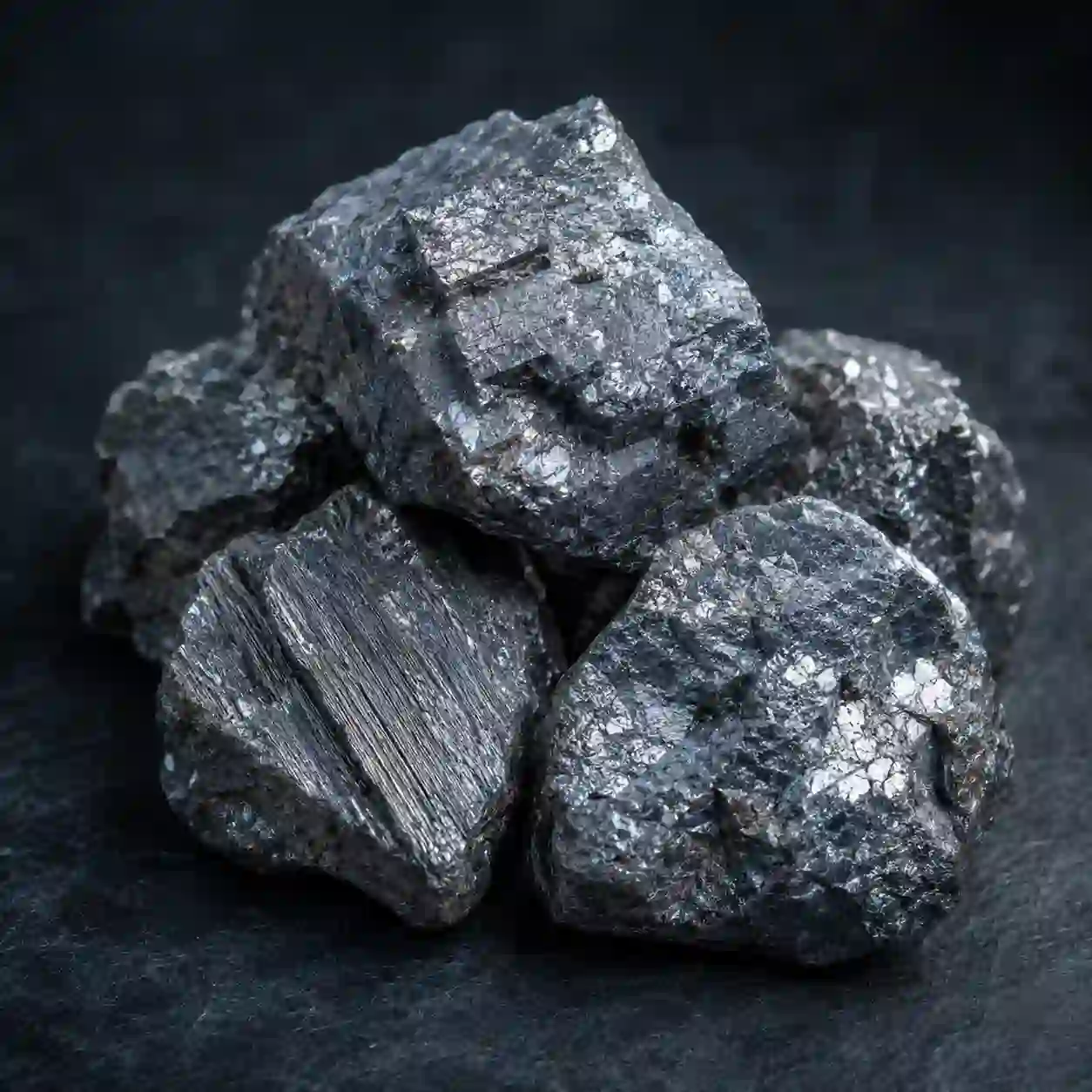 25Mn
25MnManganese
Strongest stage: Mining
High
Manganese exposure is upstream, with relevance to steel and emerging battery chemistries, and limited domestic downstream conversion.
Confidence: Low · Last reviewed: June 2026
Where dependency forms
Country exposure becomes more important when multiple supply-chain stages concentrate in the same geography.
Raw-ore export dependence
A large share of value leaves as ore or concentrate, so revenue and exposure are tied to export markets.
Offshore-processing reliance
Limited domestic refining means much conversion happens offshore, often through China-linked processing.
Single-region concentration
Production concentrated in a few regions creates dependence on local infrastructure, water, and power.
Logistics dependence
Remote operations depend on long-haul rail, ports, and shipping to reach global buyers.
Project-pipeline execution
Strategic value depends on whether new processing and separation projects reach production.
Policy and approvals
Permitting, environmental approvals, and policy incentives shape whether resource strength becomes supply-chain security.
Source context
Supply and production context should be grounded in public source categories, reviewed assumptions, and documented confidence labels.

Geoscience Australia
Production, reserves, resource estimates, and public geological data.

USGS
Mineral commodity summaries, production context, and reserve context.

IEA
Critical minerals demand, processing concentration, and energy-transition context.

Academic and industry references
Material properties, processing routes, substitution constraints, and downstream applications.
Source categories are shown for transparency. Raw evidence, reviewer notes, and source-to-score reasoning are not exposed in the public preview.
Public preview boundary
This tab shows a public-safe modeled view. It does not expose private evidence, raw source notes, or source-to-score reasoning.
Public preview includes
- Stage-level exposure labels
- Material-by-stage matrix
- High-level dependency interpretation
- Confidence labels
- Last-reviewed dates
- Source category context
- Modeled intelligence disclaimers
- Selected strategic material notes
Briefing / Pro includes
- Full evidence context
- Source-linked claims
- Trade-flow detail
- Company-level exposure
- Asset and facility exposure
- Customer-specific supplier notes
- Scenario analysis
- Exportable country brief
Modeled intelligence scores. Not official government ratings. Public-safe intelligence only.